Can You Use Concealer as a Lash Primer? The Honest Answer
October 10, 2026 · 9 min read
Written by the MissBiotics Beauty Team — probiotic-inspired beauty specialists.
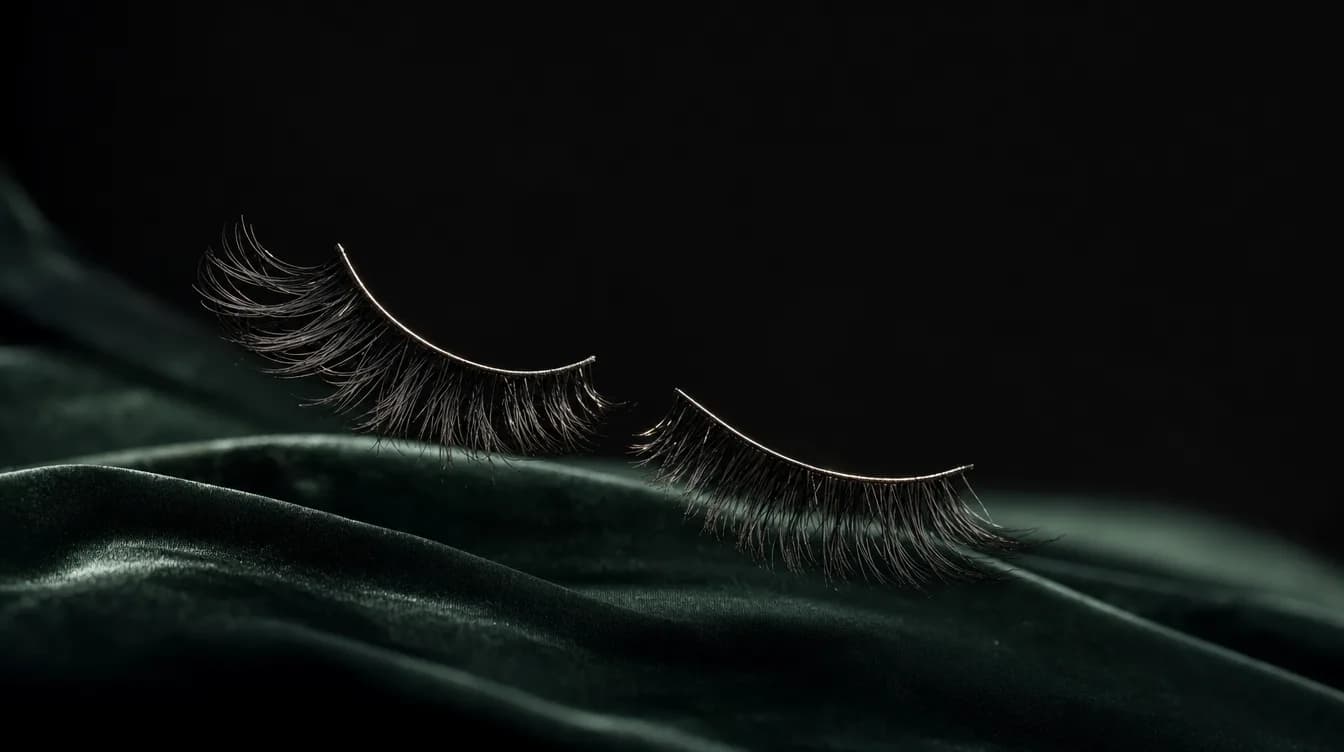
Using concealer as a lash primer adds light bulk to each lash before mascara grips it.
The short answer
Yes, you can use concealer as a lash primer: one thin coat on clean, dry top lashes adds bulk so mascara has more to grip, often cutting the number of mascara coats needed from 3 down to 2. Eyelid skin is the thinnest skin on the body with no fat layer underneath it, so a patch test and a gentle, fragrance-free formula both matter more here than on the rest of the face. Our affordable Nabi concealer already includes an applicator brush that makes this exact technique easier to control.
Can You Use Concealer as a Lash Primer?
Yes, using concealer as a lash primer is a real technique, not just an online rumor. A thin layer of concealer brushed onto clean top lashes before mascara adds a small amount of bulk to each individual lash. In practice, that extra texture gives the mascara wand more to hold onto. The result is lashes that look fuller and more defined, often without needing a dedicated primer product at all.
Additionally, the trick has circulated in beauty coverage for years. Several sources credit makeup artists working on red carpets and photo shoots with popularizing it first. However, it has recently resurfaced again as a budget-friendly alternative to spending extra on a separate primer step. Consequently, it keeps showing up in roundups of simple mascara techniques anyone can try with products already sitting in their makeup bag.
Importantly, this works best as an occasional technique rather than a daily habit for every single person. Some people's lashes and eyelid skin tolerate it beautifully. Others find a dedicated lash primer, or simply two coats of mascara, works just as well with less fuss and fewer extra steps.
Why Concealer as a Lash Primer Actually Works
Concealer is simply a thicker, more pigmented, water-resistant formula than most liquids applied near the eye. When a thin coat dries on a lash, it behaves similarly to a primer. It adds body to a thin strand before the actual mascara formula goes on top. In other words, the lash itself becomes slightly thicker before mascara ever touches it, which is the same basic principle a dedicated primer relies on.
The Technique, Step by Step
Therefore, start with completely clean, dry lashes and a small, clean brush rather than your finger. Our Nabi All in One Concealer with Brush is priced at $4.99 and already includes a compact applicator. That built-in brush makes this technique far easier to control than dipping a separate brush into a full-size concealer pot.
Dip the brush lightly and tap off any excess before touching the lashes. A heavy, wet layer is the most common mistake, since it can clump and take noticeably longer to dry than a thin one. Instead, apply a single light sweep from root to tip on the top lashes only. Let it dry for roughly 30 to 60 seconds before moving on to mascara.
Once the concealer layer feels dry to a light touch, apply mascara exactly as you normally would. For instance, our Super Lash Black Mascara, at $4.99, pairs well with this technique, since its formula is designed to build volume in thin layers rather than one heavy coat.
For contact lens wearers specifically, extra care matters here. Keep both the concealer and mascara applications close to the lash itself rather than near the waterline. Any product migrating toward a lens can cause irritation or temporary clouding of vision, so working slowly near the lash root is worth the extra few seconds it takes.
A small, often-missed detail: wipe the brush on a tissue between the concealer pot and the lash itself. Excess product bunched at the brush tip is what usually causes visible clumping once mascara is layered on top, not the technique itself.
Finally, give the whole combination a few extra minutes to fully set before any eye rubbing, blinking exercises, or face-touching. Importantly, both layers need that settling time to bond properly to the lash. Otherwise, an impatient touch can smudge the still-soft concealer layer underneath, undoing several minutes of careful, thin-layer work in a single accidental swipe.
What a Dedicated Lash Primer Does Differently
A purpose-built lash primer is formulated specifically for the lash and eye area, typically in a lighter, faster-drying formula than most concealers. Meanwhile, concealer is formulated for facial skin coverage, which means it is thicker and slower to dry by comparison. That difference is exactly why this substitution works best as a thin layer rather than a generous one.
In fact, a dedicated primer also often contains lash-conditioning ingredients a concealer formula simply does not include. Similarly, a primer is usually white or clear, which makes it easier to see exactly where you've already applied product. A skin-tone shade can make that harder to track at a glance, so working in a well-lit mirror matters more with this swap.
On the other hand, the cost difference is real. A dedicated primer is one more product and one more line in a routine. This swap instead uses something most people already own, which is the entire appeal of the hack: convenience and cost, rather than guaranteed superior results.
Notably, neither approach is objectively wrong. A professional makeup artist working against the clock on set may reach for whichever product is already open on the table, concealer included. For an everyday routine at home, the choice mostly comes down to what's already sitting in your bag that morning.
Similarly, price plays a role for a lot of shoppers. A dedicated primer typically costs more than a basic concealer, and most people replace concealer more often anyway for other reasons. Therefore, this swap effectively gets double use out of a product already due for repurchase, rather than adding an entirely new line to a routine.
Honest Risks and Who Should Skip This Technique
To be transparent, eyelid skin is the thinnest skin on the entire body, largely because it has no supporting layer of fat underneath it. That makes the eye area more prone to irritation from any product than the cheeks or forehead, concealer included. Therefore, anyone with a known sensitivity to their regular concealer should not assume it will behave identically this close to the lash line.
Additionally, a proper patch test matters before trying this at full scale for the first time. Apply a small amount to one eye only, wait a full day, and check for redness, itching, or swelling before using it on both eyes going forward. The NHS describes this kind of reaction as contact dermatitis, and the standard advice is straightforward: remove the product and stop using it if a reaction develops.
However, the risk is genuinely low for most people using a clean brush and a thin layer. This is fundamentally still a facial cosmetic, simply applied slightly closer to the lash than usual. In practice, people with chronic dry eye, an active eye infection, or a known cosmetic allergy are the ones who should skip this technique entirely rather than test it.
Similarly, never share this combination between people, even close friends or family. For instance, sharing any eye-area cosmetic can transfer bacteria between users. That is the same hygiene reasoning that applies to mascara, eyeliner, and any other product used close to the lash line.
This is a cosmetic styling trick, not a lash treatment, and it will not strengthen, grow, or condition lashes in any way. Anyone hoping for a conditioning benefit should look at a dedicated lash serum or conditioning mascara formula instead, since concealer simply is not formulated for that purpose.
Who Benefits Most From This Swap
In short, this technique suits people who already own a light, fragrance-free concealer and want to test a fuller lash look before buying a separate primer. Additionally, it suits anyone traveling light, since one fewer product in a makeup bag is a genuine convenience on a trip. For example, a single travel-size concealer can do double duty as both a face product and an occasional lash step.
Equally, it suits people whose lashes are naturally fine or sparse, since the added bulk makes the biggest visible difference on thinner lashes. Thicker, already-full lashes tend to show less dramatic improvement, since there is less room left for a primer step to add noticeable volume.
Conversely, anyone with consistently sensitive eyes, a current eye infection, or lash extensions should avoid this swap altogether. Lash extensions in particular can be damaged by oil-based concealer formulas, so a lash-extension-safe cleanser and no concealer near the extension bond is the safer approach for that specific situation.
Furthermore, at our New York and London counters, this is one of the most common mascara questions we hear from first-time customers. Most people simply want fuller-looking lashes without buying a whole new routine. Therefore, our honest advice is always the same: try it once on a quiet evening at home, never right before an event, in case a reaction shows up.
That said, a reaction is genuinely uncommon when the technique is done correctly with a clean brush and a thin layer. Most of the customers we talk through this with report no issues at all after the first careful attempt. However, the handful who do react tend to notice it within a day, which is exactly why a test run matters before any big occasion.
How MissBiotics Can Help
If you want to try this swap, the Nabi All in One Concealer with Brush is a genuinely affordable way to test it without committing to a full-size, higher-cost concealer first. Pair it with our Super Lash Black Mascara for the full look, or try the Super Lash Clear Mascara for a more natural finish on top.
Notably, together that combination costs under $10 before tax. For more on getting the most from your mascara technique generally, see our volumizing vs lengthening mascara guide, which covers how to choose a formula that pairs well with this primer step.
Browse the full range under Lashes or Face. For guidance on whether this technique suits your specific eye sensitivity, our team offers a free consultation.
Conclusion
This technique is a genuine, low-cost option that works well for many people, not an empty internet myth. A thin, dry layer on clean top lashes gives mascara more to grip, and an affordable concealer with its own brush makes the whole process easier to control from the first try. Ultimately, the honest caveat is simple: eyelid skin is uniquely thin and reactive, so a patch test and a light hand both matter more here than almost anywhere else on the face.
In short, treat this as a worthwhile experiment rather than a guaranteed upgrade. Some lashes and some eyes respond beautifully, while others do just as well with a standard two-coat mascara routine and nothing extra underneath. Either way, trying it costs nothing more than a product you likely already own, and a single patch test is enough to find out which group you fall into.
Questions, answered
Can you use concealer as a lash primer?+
Yes, a thin layer of concealer on clean, dry top lashes adds bulk that helps mascara grip better, giving a fuller look. It works as a budget substitute for a dedicated lash primer for many people.
Is this technique safe for sensitive eyes?+
It can irritate sensitive eyes more than a dedicated primer would, since eyelid skin is thinner and more reaction-prone than the rest of the face. A patch test on one eye first is the safest way to check.
How much concealer should I use for this trick?+
Use the smallest amount that coats the lash, applied in a single thin sweep from root to tip. A heavy, wet layer is the most common mistake and tends to clump once mascara goes on top.
Does this swap work with contact lenses?+
It can, provided both the concealer and mascara stay close to the lash itself and away from the waterline, since product migrating toward a lens can cause irritation or temporary clouding.
What's the difference between concealer and a real lash primer?+
A dedicated lash primer is lighter, faster-drying, and often contains lash-conditioning ingredients, while concealer is thicker and formulated for skin coverage rather than the lash itself.
Should everyone try concealer as a lash primer?+
No. People with chronic dry eye, an active eye infection, lash extensions, or a known cosmetic allergy should skip it, and first-time users should patch test on one eye before using it on both.
Can I use any concealer for this technique?+
A lighter-coverage, fragrance-free concealer with its own small brush is easiest to control in a thin layer. A heavy, full-coverage formula is harder to apply thinly enough for this specific use.
Sources & further reading