Glitter Tattoo Trend: The 2026 IT-Girl Body Art
September 30, 2026 · 10 min read
Written by the MissBiotics Beauty Team — probiotic-inspired beauty specialists.
The short answer
The glitter tattoo trend is 2026's biggest temporary body-art movement: stencil-shaped designs, like butterflies, stars, metallic lettering, and tribal motifs, built from cosmetic glitter pressed onto adhesive gel. A well-applied glitter tattoo lasts three to seven days and removes with an oil-based cleanser, no needle, ink, or salon visit required.
The Glitter Tattoo Trend: What It Actually Is
The glitter tattoo trend is 2026's biggest temporary body-art movement. Notably, it has nothing to do with a needle. A glitter tattoo is a stencil-shaped design, built from cosmetic glitter pressed onto a thin layer of adhesive gel. In practice, the design then sets and holds its shape for several days. Unlike scattered face glitter, this look uses a clean stencil outline. The finished shape reads clearly: a butterfly, a star, a line of metallic script, or a tribal motif. Furthermore, the style has become an "IT girl" staple this year, showing up on collarbones, shoulders, wrists, and ankles. Moreover, TikTok and Instagram have carried the look throughout 2026.
Search interest confirms it. The glitter tattoo trend has moved past niche festival culture and into everyday street style. In fact, 2026 red-carpet and runway coverage has repeatedly called out gem and glitter body art as a headline accessory. In short, the aesthetic borrows from two older ideas. One is the glitter tattoo kiosk, common at fairs and boardwalks for decades. The other is fine-line, minimalist tattoo art, which has dominated real ink for years. Meanwhile, metallic lettering has become one of our most requested designs this year. Think tiny script names or single words, traced in gold or silver glitter. Notably, we see it constantly at our New York and London counters, alongside butterflies and small clusters of stars. For instance, customers often describe it as the lowest-effort, highest-payoff addition to an outfit all year. That tracks with how quickly the look has spread into everyday fashion content.
In fact, four motif families drive this look. Butterflies and florals sit near the collarbone or shoulder blade. Stars and constellations scatter down the forearm or across the chest. Metallic lettering traces a name, date, or single word along the wrist or ribs. Tribal-inspired linework, bold and graphic, tends to wrap the upper arm or ankle. Each motif uses the same two-step method, so switching between them is mostly a matter of swapping the stencil shape. Additionally, some wearers add a few small, separately purchased adhesive rhinestones around the edges. Importantly, that step is optional and entirely separate from the glitter itself.
What Makes the Glitter Tattoo Trend Different From Festival Face Glitter
The core difference is structure. However, ordinary face and body glitter is applied loosely, often blended for an all-over shimmer across the cheekbones or collarbone. The glitter tattoo trend, on the other hand, is deliberately linear and graphic. Specifically, it uses a stencil to hold a crisp edge. Instead, glitter sits only inside the design, rather than fading into surrounding skin. Additionally, glitter tattoos are usually smaller and more deliberate. In short, they sit closer in spirit to a fine-line tattoo than a full glitter face. For general glitter application tips, see our guide to festival glitter makeup. It covers the broader all-over look this trend deliberately moves away from.
A Brief History Behind Today's Glitter Tattoos
Glitter tattoos are not new. In fact, boardwalk kiosks and county fairs have sold stencil-and-glitter body art since the 1990s. Back then, a small paddle brushed metallic pigment over an airbrush-style stencil. However, the 2026 version looks noticeably different. Instead, this year's revival borrows its aesthetic from minimalist fine-line tattooing, so shapes are smaller and lines are cleaner. The palette leans toward rose gold, holographic silver, and soft pastel glitter. Overall, that is a shift away from the bold rainbow mixes typical of the 1990s.
Notably, social platforms accelerated the shift. Short-form videos show the full stencil-to-reveal process. Creators peel away the stencil to expose a crisp glitter star or a line of script. As a result, these clips have generated enormous engagement on TikTok and Instagram throughout 2026. Consequently, brides, festival-goers, and everyday users now request the look for weekend events. Instead, they no longer save it exclusively for concerts or theme parks. In practice, our team fields more questions about this trend during spring and summer. Naturally, tank tops and swimwear make collarbone and shoulder placements far more visible then.
Notably, the timing also lines up with a broader Y2K and 1990s revival. For example, you can see it in butterfly hair clips, chunky rhinestone jewelry, and low-rise silhouettes. Therefore, glitter tattoos read less like a standalone fad. Instead, they read more like one piece of a larger nostalgia-driven aesthetic moving through beauty and fashion in 2026.
The "IT girl" label matters here too. A full costume look is reserved for a festival weekend. However, this style works as a small, considered accessory. Think one star on a collarbone, or one line of script on a wrist. As a result, that scale is exactly why it photographs well for a quick video. Additionally, it feels wearable for brunch, a concert, or a regular Tuesday. Because the commitment is so low, many first-time wearers try two or three motifs across a single summer. Ultimately, they settle on a signature placement.
How to Recreate the Look at Home
Recreating the glitter tattoo trend does not require a professional kit. Nor does it require a visit to a body-art booth. In short, start with a stencil. A small strip of masking tape works, with a shape cut out using nail scissors. A hole-punched piece of tape, or a purchased craft stencil sheet, works too. In short, simple outlines, like stars or initials, are easiest to start with. Press the stencil firmly onto clean, dry skin, so no gaps let glitter bleed through. In practice, smooth it down with a fingertip along every border.
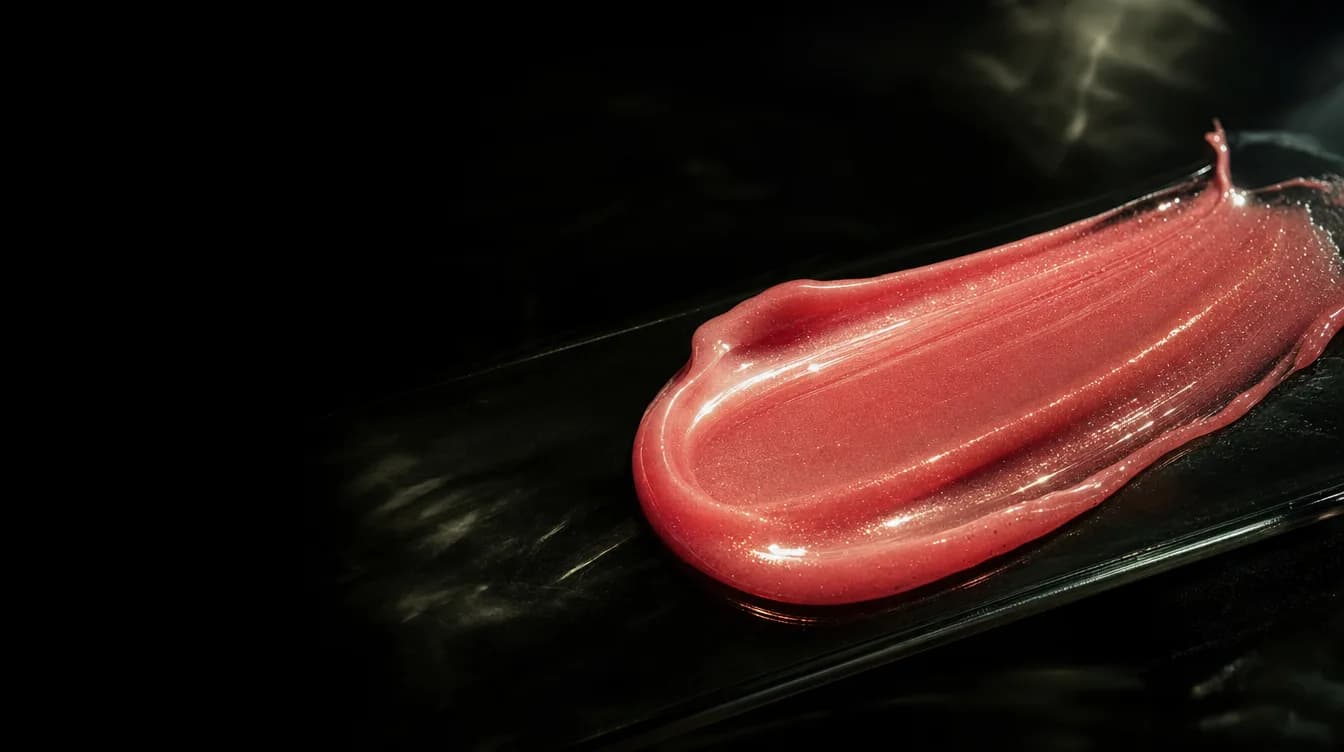
Moreover, next comes the glitter itself. Our Glitter Gel - 15 Color Variations ($5.99) is built for exactly this kind of precise, small-area work. For instance, dab a small amount onto a clean fingertip, then press, rather than sweep, the gel into the stencil opening. For a bigger metallic finish, layer a few grains from a body glitter shade on top. Dynasty Body Glitter and Wanderlust Body Glitter both work well, at $11.99 each. As a result, this intensifies the shimmer once the stencil lifts away. That said, MissBiotics does not currently sell dedicated glitter-tattoo stencils, gemstones, or tattoo-specific adhesive. A household stencil paired with a dab of glitter gel is the honest, at-home route into this trend. It is not a salon-kit substitute.
Hold the stencil in place for 30 to 60 seconds while the gel tacks up. Then lift it away slowly, in one steady motion rather than at an angle. For metallic lettering, a small angled brush helps trace clean script lines first. Notably, freehand lettering is hard to keep even without one. For tribal linework, work in short, one-inch sections so lines do not smudge into each other. Therefore, patience during the drying step matters more than the glitter itself. In fact, rushing this stage is the single biggest reason a design smudges or bleeds.
A quick note on finish: finer glitter reads as a soft metallic wash once it sets. Meanwhile, chunkier grains catch more light, and suit bolder shapes like stars or tribal bands. Mixing a fine base layer with a few chunkier grains on top adds visual depth. In fact, all of it can come from the same 15-shade gel. Either way, avoid touching the area for the first few minutes after the stencil comes off. Fresh adhesive is still tacky enough to pick up lint or stray hairs.
How Long Glitter Tattoos Last (And What They Won't Do)
A well-applied glitter tattoo typically lasts three to seven days, depending on placement. For instance, areas with less rubbing, like the collarbone or outer shoulder, tend to hold for the full week. Wrists and hands fade closer to the three-day mark, since hands get washed dozens of times a day. In fact, this is one of the clearest advantages of the glitter tattoo trend over a real tattoo. In short, the commitment is measured in days, not years. Ultimately, a design that misses the mark simply washes away.
Importantly, a few everyday habits shorten that window further. Heavy sunscreen or oil-based body lotion applied directly over a design tends to loosen the adhesive within a day. Therefore, it helps to apply lotion around the edges, rather than on top. Similarly, pool and ocean swimming, saunas, and long hot showers all soften the gel faster than a quick rinse would. However, none of this makes the look high-maintenance. It simply means treating the finished design like a sticker, not skin itself, for the first day or two.
It is worth being direct about what a glitter tattoo will not do. Importantly, this look is not permanent, and it will not survive vigorous scrubbing, a loofah, or repeated swimming. Nor is it a substitute for real tattoo art if long-term permanence is the goal. Additionally, we do not recommend applying one over broken, sunburned, or already irritated skin. The adhesive and glitter can aggravate a compromised skin barrier, rather than simply sit on top of it.
When it is time to remove a glitter tattoo, oil-based products break down the adhesive fastest. In fact, that works far better than soap and water alone. Our Nabi Waterproof Makeup Remover ($6.99) lifts residual glitter gel without scrubbing. The Makeup Remover Cleansing Towelettes ($2.99) work well too. Notably, that matters, since dermatologists generally advise against scrubbing at irritated skin. For broader removal methods, our glitter removal guide covers face and body glitter side by side. In addition, it covers stray-glitter cleanup after a full festival look.
Is This Trend Safe for Sensitive Skin?
Cosmetic glitter is generally considered safe for intact, healthy skin. Specifically, that holds true when the product is cosmetic grade rather than craft grade, with rounded rather than sharp edges. However, adhesive gels and metallic pigments can still trigger allergic contact dermatitis in sensitive users. Importantly, that risk rises with repeated use over the same patch of skin. This is exactly why anyone trying the glitter tattoo trend for the first time should patch test first. In practice, test on the inner forearm 24 hours before choosing a visible placement. According to the NHS, contact dermatitis symptoms include redness, itching, and small blisters. These typically appear within 48 hours of exposure to an irritant, or several days later for a genuine allergy. Therefore, a reaction is not always obvious on day one.
The FDA's guidance on temporary body art adds a useful caution. Specifically, it notes that decal-style temporary tattoos and so-called black henna have caused reported allergic reactions. Instead, most of those reactions are tied to certain dark colorants, not to glitter itself. Meanwhile, the American Academy of Dermatology advises seeing a board-certified dermatologist for a lasting reaction. In other words, that means anything longer than one to two weeks, or one that worsens rather than fades. Therefore, our standing advice stays simple. Choose cosmetic-grade glitter, avoid broken or sunburned skin, and stop at the first sign of persistent redness or swelling.
Additionally, it helps to understand what cosmetic glitter is actually made of. Most cosmetic-grade glitter is either coated mica, a naturally mined mineral, or a fine plastic film. Both are cut into smooth, rounded particles, meant to sit on the skin's surface. However, craft glitter is often cut with sharp, irregular edges, never intended for skin or eye contact. Therefore, swapping in school-supply glitter is never a safe shortcut. Either way, it makes no difference how similar the two look in the jar.
Placement deserves one more caution. Keep any glitter tattoo, and the gel used to build it, well clear of the eyes and eyelid area. In fact, stray particles near the eye can cause irritation or scratching. Instead, a dermatologist, not a home remedy, should assess anything like that. Collarbones, shoulders, wrists, forearms, and ankles remain the safest, most photogenic canvases for this look. Importantly, each one fades without any special aftercare beyond gentle cleansing.
Take Jenna, a 26-year-old wedding guest in Austin. She wanted a small glitter star on her shoulder for a Saturday event. On Thursday, she patch-tested a dot of glitter gel on her wrist, and saw no reaction by Friday morning. Notably, the full design then survived a full day of dancing and two washes. By Monday, it had faded to a faint outline. That is exactly the kind of short, low-commitment timeline that makes this trend appealing for one-off occasions, not everyday wear.
One more honest note: the glitter tattoo trend is a decorative, cosmetic look. In short, it is not a treatment for anything, and not a replacement for a dermatologist's advice. If a design ever causes swelling or spreading redness, remove it and rinse gently. Should discomfort not settle within a day or two, check in with a doctor or a dermatologist. Do not simply layer on more product instead.
How MissBiotics Can Help
MissBiotics stocks the two building blocks of an at-home glitter tattoo. Specifically, precise glitter gel fills the stencil interior, and body glitter shades add shimmer around the edges. Beyond Glitter Gel - 15 Color Variations ($5.99), we carry several colorways. Sweet Papaya Body Glitter, Bubble Gum Body Glitter, and Sour Lime Body Glitter are each $11.99. Together, they let you match any outfit or event, from a pastel butterfly to a warm-toned tribal motif.
Browse the full range on our glitter and shimmer shop. Importantly, every shade ships with the same cosmetic-grade formulation we recommend for skin-adjacent use. If you are unsure which combination suits your skin tone, ask us. Our team offers a free beauty consultation to help you plan placement, color, and wear time. For anyone building a full beauty ritual around a single event, our rituals guide can help. In practice, it walks through the order we recommend at our counters. That runs from prepping skin the night before to setting the finished glitter.
Conclusion
The glitter tattoo trend is 2026's easiest way to test body art without commitment. It takes a stencil, a dab of glitter gel, and roughly three to seven days of wear. Patience is rewarded too: drying time between layers, a patch test before a visible placement. It also rewards gentle, oil-based removal, rather than scrubbing. Overall, the appeal is simple math. In short, near-zero risk, near-zero cost, and a full week of a look you can change on a whim. Whether you pick a single star or a full metallic phrase along the collarbone, the process stays the same. So does the payoff. Ready to build your first design? Explore our glitter shop or book a consultation. Our team will help you choose shades and placement for your next event.
Questions, answered
What is a glitter tattoo?+
A glitter tattoo is a temporary design made by pressing cosmetic glitter onto a stencil-shaped layer of adhesive gel on the skin. It typically lasts three to seven days and comes off with oil-based cleansing. No needle or ink is involved.
How long does the glitter tattoo trend last on skin?+
Most glitter tattoos last three to seven days, depending on placement and friction. Areas like the collarbone or shoulder hold longer than wrists or hands, which get washed more often.
Do you need a stencil kit for a glitter tattoo?+
No, a dedicated stencil kit is not required. A household stencil, like a hole-punched piece of tape, paired with cosmetic glitter gel pressed on with a clean fingertip, works well for an at-home version.
Is the glitter tattoo trend safe for sensitive skin?+
Cosmetic-grade glitter is generally safe for intact, healthy skin, but adhesive gels and pigments can trigger allergic contact dermatitis in sensitive users. Always patch test on the inner forearm 24 hours before a visible placement.
How do you remove a glitter tattoo?+
Oil-based makeup removers or cleansing towelettes break down the adhesive gel fastest without scrubbing. Wipe the area gently rather than rubbing, since scrubbing can irritate the skin underneath.
What is the difference between a glitter tattoo and festival face glitter?+
A glitter tattoo uses a stencil to create a crisp, graphic shape, like a butterfly or star. Festival face glitter, by contrast, is applied loosely for an all-over shimmer. The two looks share products but use very different techniques.
Can a glitter tattoo cause a skin reaction?+
Yes, though this is uncommon with cosmetic-grade glitter on intact skin. Redness, itching, or small blisters can signal an allergic reaction, so patch test 24 hours beforehand. If irritation persists beyond a day or two, see a doctor or a board-certified dermatologist.
Sources & further reading
- FDA — Temporary Tattoos, Henna/Mehndi, and Black Henna Fact Sheet (temporary body art pigment safety)
- American Academy of Dermatology — Tattoo Skin Reactions (when to see a dermatologist)
- NHS — Contact Dermatitis Causes (allergic reaction symptoms and timing)
- Mayo Clinic — Contact Dermatitis Diagnosis and Treatment (patch testing)