History of Eyeshadow: From Ancient Kohl to Today's Palettes
November 1, 2026 · 10 min read
Written by the MissBiotics Beauty Team — probiotic-inspired beauty specialists.
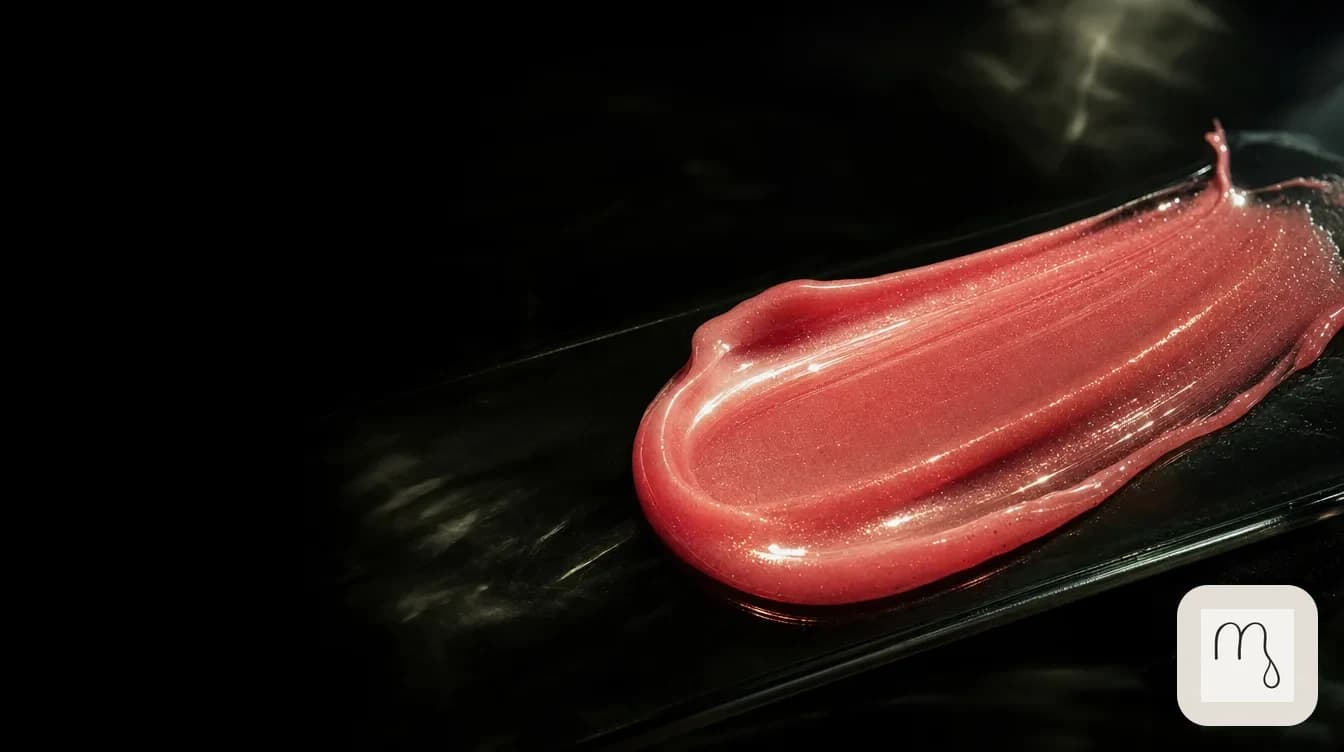
From crushed malachite in ancient Egypt to pressed powder palettes, the history of eyeshadow is older than most of recorded beauty culture.
The short answer
The **history of eyeshadow** spans roughly 5,000 years, beginning with malachite and galena-based kohl in ancient Egypt around 3000 BC. It nearly vanished from Western beauty for close to a thousand years before returning in the 1920s, and today it is a regulated, FDA-tested product, a world away from the lead-bearing pigments some early versions relied on.
The History of Eyeshadow Begins With Ancient Egyptian Kohl
The history of eyeshadow begins nearly 5,000 years ago. At our New York and London counters, it is one of the first things we tell customers who assume eye makeup is a modern invention. Around 3000 BC, Egyptians were already mining malachite, a bright green copper mineral, in the Sinai Peninsula specifically for cosmetic use. They ground it into a fine paste and applied it heavily around the eyes. Additionally, it was often paired with a dark kohl liner made from galena, a lead-bearing mineral, mixed with soot and animal fat. Importantly, the combination was not purely decorative. Egyptologists have long connected it to protection from sun glare, dust, and the flies that spread eye infections along the Nile.
Cleopatra is the figure most associated with ancient eye color. She reportedly favored a deep blue shadow made from ground lapis lazuli flecked with pyrite for shimmer. However, she was continuing a practice that was already roughly two and a half thousand years old by her lifetime, not inventing it. For instance, palettes recovered from Egyptian tombs, some shaped like animals, show that grinding and mixing eye pigment was already a refined craft with dedicated tools, not an improvised one. These palettes typically held several pigments side by side, which suggests multi-shade eye looks were already being composed deliberately, not applied as a single flat color.
Men wore eye cosmetics in ancient Egypt just as commonly as women did, which is a detail many modern retellings leave out. Instead, status, not gender, was the main dividing line for who wore elaborate eye color and who did not. In practice, that makes the history of eyeshadow one of the more genuinely universal threads in cosmetics history, rather than a product category invented for one audience.
The History of Eyeshadow's Earliest Pigments: Malachite and Galena
Before synthetic pigments existed, every eyeshadow color came directly from the earth. Malachite gave the signature green. Additionally, azurite offered a deep blue, while galena-based kohl provided the black liner that usually framed both. None of these early formulas resembled a modern pressed powder. Nevertheless, the core idea, grinding a mineral fine enough to apply safely to delicate eye-area skin, is the same basic principle behind every eyeshadow made since.
The History of Eyeshadow Through Antiquity: Mesopotamia, Greece and Rome
Egypt was not alone in prizing eye color. Mesopotamian elites used ground stone and mineral pigments around the eyes as early as 3500 BC, often as a marker of status rather than an everyday habit. Meanwhile, ancient Greek and Roman writers describe women darkening and coloring their eyelids with soot, saffron, and crushed minerals, though surviving evidence is thinner than it is for Egypt.
Trade networks carried these pigments across considerable distances, which made vivid, long-lasting eye color a genuine luxury good. Consequently, owning a rare mineral pigment signaled access to trade most people never had. That link between pigment, rarity, and status repeats throughout this story, long before any cosmetics industry existed to manufacture it at scale. For example, a single small pot of ground lapis lazuli could represent weeks of a trader's labor by the time it reached a buyer far from its source. Furthermore, lapis lazuli itself came almost exclusively from a single region in what is now Afghanistan, so its color carried real geographic rarity, not just craftsmanship.
What Greek and Roman Writers Recorded About Early Eye Color
Roman satirists occasionally mocked women for darkening their lids, which is itself useful evidence that the practice was common enough to joke about. For instance, Ovid wrote detailed advice on cosmetics in his own era, including eye-area color. Therefore, even without the physical artifacts Egypt left behind, Greek and Roman texts confirm eye makeup was a recognized, ordinary part of beauty culture well before the medieval period that followed.
The Long Gap: Eyeshadow's Disappearance From Western Beauty
For much of medieval Europe, visible eye makeup fell almost entirely out of fashion. Religious and social norms of the period favored pale, unadorned skin, and cosmetics in general were treated with suspicion, sometimes tied to vanity or worse. Consequently, this part of the story effectively pauses for close to a thousand years in large parts of Europe. Even so, the practice continued in other regions, including parts of the Middle East and South Asia, where kohl remained in regular use.
This gap matters for understanding why eyeshadow can feel, incorrectly, like a twentieth-century invention. In reality, Western beauty culture simply dropped a practice that other parts of the world had never abandoned. It was later reintroduced as though it were new, which is a pattern that shows up again and again across cosmetics history more broadly. Similarly, our own history of mascara piece covers a comparable centuries-long gap for lash color, which tells a nearly identical story about what Western fashion chose to drop and later rediscover.
Why the History of Eyeshadow Survived Outside Europe
Kohl's continued use outside Europe was never purely about fashion. In many regions, it was treated as a basic hygiene practice for infants and adults alike, applied for its believed protective qualities around the eye. Therefore, the gap in eyeshadow's story is really a Western European gap specifically, not a global one. Other cultures carried the thread forward without interruption, which is part of why eye cosmetics re-entered Western fashion looking, to many at the time, like something entirely new.
The History of Eyeshadow's Modern Revival: From the 1920s to Today
Eye makeup returned to Western fashion in force during the 1920s, driven partly by Hollywood films and partly by the broader loosening of Victorian-era beauty restrictions. Smoky, dramatic eyes became a signature look of the era, and the first mass-produced pressed eyeshadow compacts followed shortly after. From there, things moved quickly: cream formulas in the 1950s, bold frosted colors in the 1960s and 1970s, and an explosion of shade ranges once synthetic pigments made color production cheaper and more consistent than mining minerals ever was.
Today's eyeshadow palettes, including mousse, pressed powder, and cream formats, descend directly from that same basic logic Egyptians established millennia ago: pigment, a binding base, and a tool to apply it precisely around the eye. What has changed most is not the concept but the testing and regulation behind it. Our history of lipstick traces a strikingly similar arc, from ancient pigment to a fully regulated, mass-produced modern product.
The pace of change has also picked up considerably in just the last few decades. For instance, the number of shade and finish options available in a single modern palette, from matte to metallic to duochrome, would have required an entire tomb's worth of separate pigment stores in ancient Egypt. Additionally, a shopper today can compare ingredient lists, read safety data, and choose a formula suited to sensitive eyes. Notably, none of that existed as a concept before the twentieth century.
Why This History Still Matters for Safety Today
Some of history's most striking eye cosmetics were also genuinely dangerous by modern standards. Galena, the mineral behind much ancient kohl, contains lead. The FDA still warns today that traditional kohl, kajal, and surma products sold without regulation can carry hazardous lead levels, including documented cases of childhood lead poisoning linked to their use. None of these traditional kohl products are approved for cosmetic use in the United States for exactly that reason. Notably, the FDA's warning specifically covers imported products that still use the word "kohl" on the label but are not manufactured to any regulated standard.
Modern eyeshadow sold in the US and UK is a different category of product entirely. The FDA's color additive rules require every pigment used in eye-area cosmetics to be tested and approved before it reaches a compact, with eye-area products held to even stricter standards than cosmetics used elsewhere on the face. Therefore, a mousse or pressed eyeshadow bought today carries none of the lead risk that made some of history's most iconic eye looks genuinely hazardous to wear. In addition, modern packaging and labeling rules mean buyers can check an ingredient list before purchase, something no ancient palette owner could ever have done.
This is also why the phrase "natural" or "ancient-inspired" on a modern product label is a marketing description, not a safety claim. Notably, a pigment genuinely made the historical way, with unrefined galena, would not pass current cosmetic safety testing. Instead, a modern formula can borrow a historical color story, the deep malachite green or the Cleopatra-inspired blue, while using an entirely different, tested pigment to achieve it. That distinction matters more than it might first appear.
Common Myths About the History of Eyeshadow
One persistent myth is that eyeshadow is a purely Western, twentieth-century product. It is not. Egypt, Mesopotamia, and later parts of the Middle East and South Asia all had eye color traditions that predate anything from Hollywood by thousands of years. Instead, the West simply arrived late to a practice with much older roots elsewhere.
A second myth is that ancient eye color was always applied for vanity alone. In fact, protective and even medicinal reasoning shows up again and again in the historical record, alongside the obvious aesthetic appeal. A third myth, that all historical formulas were dangerous, is also an overstatement. Similarly, some ancient pigments, including certain plant-based options used in other regions, were relatively mild. Galena-based kohl is the clear exception, not the rule. Therefore, the FDA's warning calls it out by name rather than banning mineral eye pigments broadly.
How MissBiotics Can Help
You can enjoy five thousand years of pigment history without any of the historical risk. Our S.he Mousse Eyeshadow, at $2.99 per shade, channels that same warm, metallic gold Cleopatra favored. The S.he Tarot Deluxe Edition Eyeshadows, at $6.99, offer a richer, multi-tone palette for a more dramatic, ancient-inspired finish. For applying pigment with the same precision Egyptian palettes were built for, the Celavi 6pc Eyeshadow Applicators set, at $2.99, keeps every shade clean and distinct.
Conclusion
This is one of the oldest continuous threads in beauty culture, stretching from Egyptian malachite mines to the FDA-tested compacts sold today. Along the way it vanished for centuries, returned with Hollywood glamour, and left behind a genuinely important lesson about pigment safety that still shapes regulation now. If ancient eye color has you curious about where your own routine's ingredients come from, our Origins story traces that same idea forward. Our full eyeshadow shop carries the modern, regulated version of a five-thousand-year-old habit.
Questions, answered
What is the history of eyeshadow?+
The history of eyeshadow spans roughly 5,000 years, beginning with malachite and galena-based kohl in ancient Egypt around 3000 BC. It nearly disappeared from Western beauty for close to a thousand years before returning in the 1920s, eventually evolving into today's FDA-regulated, synthetically pigmented formulas.
Did ancient Egyptians really wear eyeshadow?+
Yes, ancient Egyptians wore eyeshadow made primarily from ground malachite, a green copper mineral, often paired with galena-based kohl for the eyeliner. Both men and women used these cosmetics, which were tied to protection from sun and infection as well as to beauty.
Is kohl eyeshadow safe today?+
Traditional kohl made the historical way, with galena, is not considered safe and is not approved for cosmetic use in the US. The FDA warns that unregulated kohl, kajal, and surma products can carry hazardous lead levels, including documented lead poisoning cases in children.
When did eyeshadow make a comeback after disappearing in medieval Europe?+
Eyeshadow returned to Western fashion in the 1920s, driven by Hollywood films and the loosening of Victorian-era restrictions on visible cosmetics. Mass-produced pressed eyeshadow compacts followed shortly afterward.
What was eyeshadow originally made from?+
The earliest eyeshadow was made from ground minerals, primarily malachite for green and azurite for blue, mixed with animal fat or oil to create a workable paste. These mineral pigments were applied with dedicated tools, including shaped cosmetic palettes.
Why is some historical eye makeup considered dangerous now?+
Galena, a key ingredient in traditional kohl, contains lead, which the FDA links to serious health risks including lead poisoning in children. That is why unregulated kohl products remain illegal for cosmetic sale in the United States today.
How has eyeshadow safety changed since ancient times?+
Modern eyeshadow sold in the US and UK must use FDA-approved color additives, with eye-area cosmetics held to stricter testing standards than products used elsewhere on the face. This removes the lead and heavy-metal risk that made some ancient formulas genuinely hazardous.
Sources & further reading