How Often Should You Replace a Beauty Sponge?
November 1, 2026 · 10 min read
Written by the MissBiotics Beauty Team — probiotic-inspired beauty specialists.
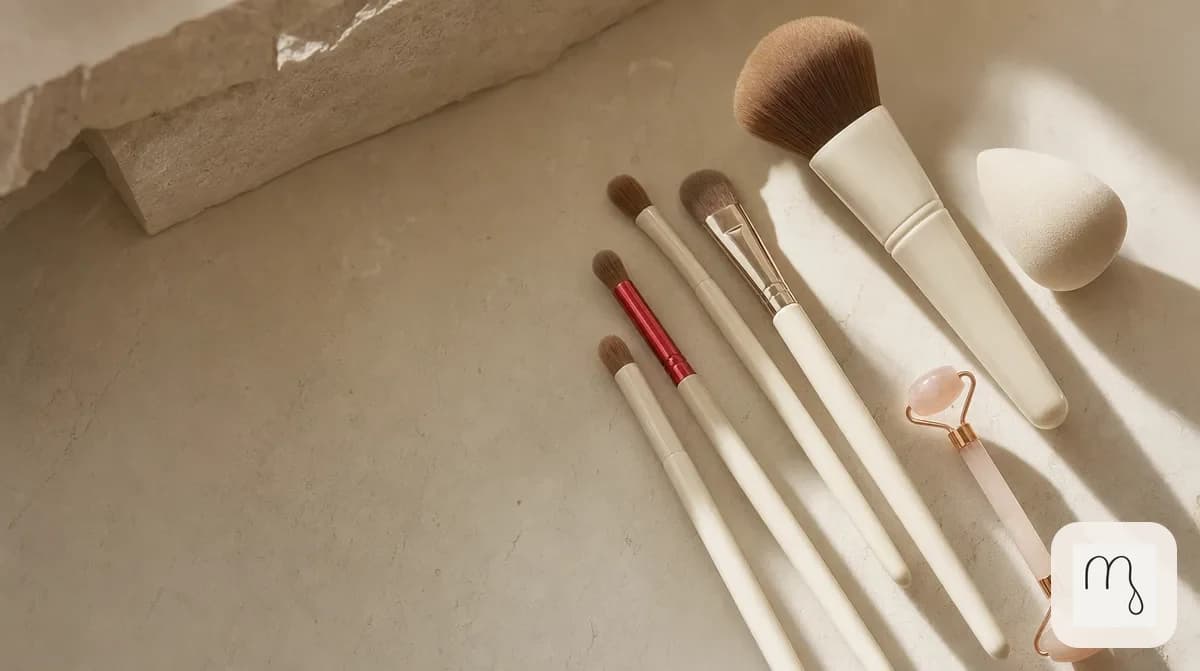
A worn, stained blending sponge is doing less for your foundation and more for the bacteria living inside it.
The short answer
**How often should you replace a beauty sponge?** For daily use, replace it every 1 to 3 months. Replace it sooner if it loses its bounce, stains permanently, or starts to smell. The American Academy of Dermatology notes that dirty makeup tools can carry bacteria linked to fungal, E. coli, and staph infections, so a worn sponge is a hygiene issue, not just a performance one.
How Often Should You Replace a Beauty Sponge? The Real Timeline
If you wear foundation most days, how often should you replace a beauty sponge is a question worth taking seriously. The honest answer is every 1 to 3 months. That window shortens if you use your sponge daily and apply makeup with touch-ups throughout the day. It lengthens somewhat if you only reach for it occasionally. However, usage frequency is only half the equation. A sponge that is cleaned after every use will last longer, both in function and in safety, than one that is rinsed only occasionally and left damp in a makeup bag.
A porous sponge behaves very differently from a solid brush or a hard applicator. Its open-cell structure, the same texture that makes it blend foundation so seamlessly, also makes it exceptionally good at trapping oil, dead skin cells, and product residue deep inside. Rinsing alone cannot always reach that trapped buildup. Therefore, the replacement clock on a beauty sponge runs faster than it does for almost any other tool in your kit, and treating it the same as a brush you wash weekly will leave you using it well past its safe lifespan.
How Often Should You Replace a Beauty Sponge Compared With Brushes and Tools
Makeup brushes are typically washed every 7 to 10 days and can last a year or more with regular care, according to American Academy of Dermatology guidance. However, blending sponges do not get that same lifespan. Their porous material holds moisture and product far longer than bristles do. That difference is exactly why the 1-to-3-month window exists specifically for sponges rather than for your whole kit. In other words, a sponge and a brush bought on the same day will not reach the end of their useful lives at the same time.
Why Beauty Sponges Get Dirty Faster Than Almost Any Other Makeup Tool
A beauty sponge spends its working life damp, which is precisely the condition bacteria need to multiply. Every time you wet it, work in foundation, and set it down before it fully dries, you create a small, repeatedly refreshed environment for microbial growth. Additionally, the FDA's guidance on cosmetic safety specifically warns against storing wet applicators in closed bags, since trapped moisture encourages exactly this kind of buildup. A sponge tucked into a zipped pouch right after use barely gets a chance to dry before it is wet again. In a warm bathroom, the same humidity that fogs your mirror keeps the sponge from ever fully drying out between applications.
A sponge also touches your face directly and repeatedly, picking up natural oils and skin cells with every pass. Unlike a brush, which mostly stays on the surface of the skin, a sponge's stippling motion pushes product, and whatever has accumulated on the sponge, slightly into the skin. For that reason, a sponge that has not been cleaned in weeks is doing considerably more than blending makeup. It is also reintroducing everything it picked up the last ten times you used it. Importantly, this is true even for sponges that look clean on the surface, since most of the buildup sits inside the foam's open cells, not on the outer layer you can actually see.
The products you apply with a sponge add another layer to the picture. Cream and liquid formulas, including foundation and concealer, tend to sit inside a sponge's pores longer than powder does, because powder brushes away more easily while cream clings to damp foam. For instance, someone who wears a full-coverage cream foundation daily is building up more trapped product per use than someone who wears a light tinted moisturizer occasionally, even if both are using their sponge the same number of times a week. As a result, heavier-coverage users are often better served by the shorter end of the 1-to-3-month range, while lighter, more occasional use can comfortably stretch toward the longer end.
Signs Your Beauty Sponge Needs Replacing Right Now
Some signs are about performance. A sponge that has lost its bounce, stays flattened after washing, or absorbs an unusual amount of product before it blends evenly has likely broken down structurally. Similarly, visible rips, persistent dark staining that does not lift with washing, or a texture that feels gritty rather than soft are all clear signals that replacement, not another wash, is the right move. For instance, a sponge that once bounced back instantly after a squeeze and now stays dented for several seconds has already lost much of its structural integrity.
Other signs are about safety rather than performance. A musty or sour smell, even after washing, often points to mold or bacterial buildup deep in the sponge's core. The FDA's guidance on microbiological safety specifically flags off-odors and color changes as reasons to discard a cosmetic tool. In fact, if you have recently had a breakout, a cold sore, or any skin infection, replace the sponge you were using at the time rather than trying to deep-clean your way past it. A fresh sponge is inexpensive compared with a repeat infection. Moreover, a sponge that has visibly darkened all over, rather than just at the tip where product first touches it, usually means staining has worked its way through the entire piece.
How to Clean a Beauty Sponge Between Replacements
Cleaning extends the useful life of a sponge, even though it cannot make it last forever. Wet the sponge thoroughly with warm water, work a gentle, fragrance-free cleanser into it with your fingers until the water runs clear rather than tinted with foundation, then rinse completely. A Celavi Blending Sponge Set, at $14.99, ships with several sponges in rotation. That makes it easier to always be washing one while another dries fully before its next use.
After washing, squeeze out excess water gently. Never wring or twist a sponge, since that can tear its structure. Instead, let it air dry fully before storing it. A ventilated case or an open dish lets air reach every side, rather than a closed makeup bag. A Celavi Premium Beauty Sponge & Holder Set, at $6.99, includes a vented holder built for exactly this kind of drying, which matters more for hygiene than most people realize.
Timing also matters. Washing a sponge immediately after use, before foundation has a chance to dry inside the foam, takes noticeably less effort than trying to work out set-in product a day or two later. In practice, keeping your cleanser within reach of wherever you apply makeup removes the main excuse for skipping the step. Moreover, once washing is simply part of putting makeup away, rather than a separate chore, it stops feeling optional.
Common Mistakes That Shorten a Beauty Sponge's Life
The most common mistake is skipping washing between uses entirely. A sponge used daily without cleaning builds up bacteria far faster than the calendar alone suggests. Consequently, the 1-to-3-month estimate assumes at least weekly washing, not none at all. Another frequent mistake is sharing a sponge, even briefly, since that transfers oils, skin cells, and any bacteria present directly between two people's skin. Even a quick loan "just for one touch-up" carries the same risk as regular sharing, because a single contact is enough to transfer bacteria.
A third mistake is storing a damp sponge somewhere airtight, which traps moisture against the sponge and accelerates exactly the bacterial growth you are trying to avoid. Consequently, how you store a sponge between uses matters almost as much as how often you wash it. A fourth, smaller mistake is cutting a sponge to extend its life once it has torn. For instance, a torn edge creates new surfaces for product and bacteria to collect in, so trimming rarely buys you the extra weeks it promises. In addition, microwaving a damp sponge to try to disinfect it is a method that circulates online but is not something dermatology or FDA guidance recommends, since heat can also degrade the foam itself.
Building a Simple Sponge Rotation
A single sponge used every day is almost never fully dry when you reach for it again, and that constant dampness is what shortens its working life the fastest. Keeping two or three sponges in rotation solves this directly. While one dries completely, another is ready to use, and a third can be mid-wash. That said, a rotation only helps if each sponge is still washed after every use. Owning several dirty sponges is not meaningfully safer than owning one. Instead, think of the rotation as solving the drying problem specifically, not the washing problem, since those are two separate habits that both need to hold.
A rotation also makes the replacement decision easier to track. Starting a fresh set on the same day each month, and writing the date somewhere visible, takes the guesswork out of "how long have I actually had this." In practice, most people underestimate how long a sponge has been in regular use once it has been part of the routine for a while. Our guide to beauty sponge vs makeup brush covers which tool actually belongs in your rotation for each step. Notably, not every product is meant to go on with a sponge in the first place.
Does Sponge Material Change How Often You Should Replace It
Most blending sponges sold today are made from the same hydrophilic foam, regardless of brand or shape, so material alone rarely changes the 1-to-3-month window. However, density and quality do matter at the margins. A denser, higher-quality sponge tends to hold its shape longer under regular washing, while a cheaper, looser-cell sponge can start breaking down within a few weeks of heavy use. For example, a budget sponge used daily might need replacing closer to the one-month mark, while a denser set washed consistently can comfortably reach three.
Shape matters less than people expect. A rounder sponge and a flat-edged one wear at similar rates when used with similar frequency, since the deciding factor is almost always moisture and cleaning habits rather than the sponge's cut. Therefore, picking a shape for how it applies product, rather than for how long you expect it to last, is the more useful way to choose between options. Importantly, no shape or brand claim should be read as a reason to skip washing, since even the most durable foam still traps bacteria the same way a cheaper one does.
How MissBiotics Can Help
Keeping a rotation on hand makes good hygiene far easier to actually stick to. For instance, the Celavi Macaron Beauty Sponge Set, at $5.99, gives you several sponges in different sizes and shapes for a full face versus precise spot work. Meanwhile, the Celavi 8pcs Flower Blending Sponge set, at $4.99, makes it simple to swap in a fresh one the moment an older sponge shows wear. Pairing either set with the vented Premium Beauty Sponge & Holder Set at $6.99 covers both washing and drying in one straightforward routine.
Conclusion
In short, the honest baseline is replacing your sponge every 1 to 3 months for regular use, with earlier replacement whenever it loses its bounce, stains permanently, smells off, or has touched broken skin. That said, washing after every use and drying it properly will keep whichever sponge you own working well, and safely, for the whole of that window. Importantly, none of this requires an expensive routine overhaul, just a cleanser you already have, a vented spot to dry, and a note of roughly when each sponge went into rotation. Browse our full tools and accessories shop for a fresh rotation, or book a free consultation if you want a full routine built around your skin type.
Questions, answered
How often should you replace a beauty sponge?+
For regular, daily use, replace a beauty sponge every 1 to 3 months. Replace it sooner if it loses its bounce, develops permanent staining, smells musty even after washing, or was used during a breakout or skin infection.
Can you wash a beauty sponge instead of replacing it?+
Yes, washing extends a sponge's life and should happen after every use, ideally with a gentle cleanser until the rinse water runs clear. However, washing cannot reverse structural breakdown, so a flattened, torn, or permanently stained sponge still needs replacing regardless of how recently it was cleaned.
What happens if you use an old beauty sponge?+
An old, unwashed sponge can harbor bacteria linked to skin infections, since its damp, porous structure is an ideal environment for microbial growth. The American Academy of Dermatology notes that dirty makeup tools can carry bacteria tied to fungal, E. coli, and staph infections.
How do you know when to throw away a beauty sponge?+
Throw away a beauty sponge when it loses its bounce, develops rips or persistent dark staining, feels gritty rather than soft, or smells sour even after a thorough wash. Any of these signs means the sponge has broken down past the point cleaning can fix.
Is a beauty sponge dirtier than a makeup brush?+
A beauty sponge generally needs more frequent attention than a brush, because its porous, often-damp structure traps oil and bacteria more readily than bristles do. The American Academy of Dermatology recommends washing brushes every 7 to 10 days, while sponges typically need washing after each use and full replacement within 1 to 3 months.
Can an old makeup sponge cause acne?+
It can contribute to it. The American Academy of Dermatology explains that cosmetics and tools that trap oil and bacteria against the skin can lead to acne cosmetica, a type of breakout caused by product and applicator buildup rather than your underlying skin type.
How should you store a beauty sponge between uses?+
Store a beauty sponge somewhere ventilated, never in a closed, airtight bag while it is still damp. Let it air dry fully after each wash, since trapped moisture is what allows bacteria to build up fastest between replacements.
Sources & further reading