How to Make Thin Eyebrows Look Fuller?
October 13, 2026 · 9 min read
Written by the MissBiotics Beauty Team — probiotic-inspired beauty specialists.
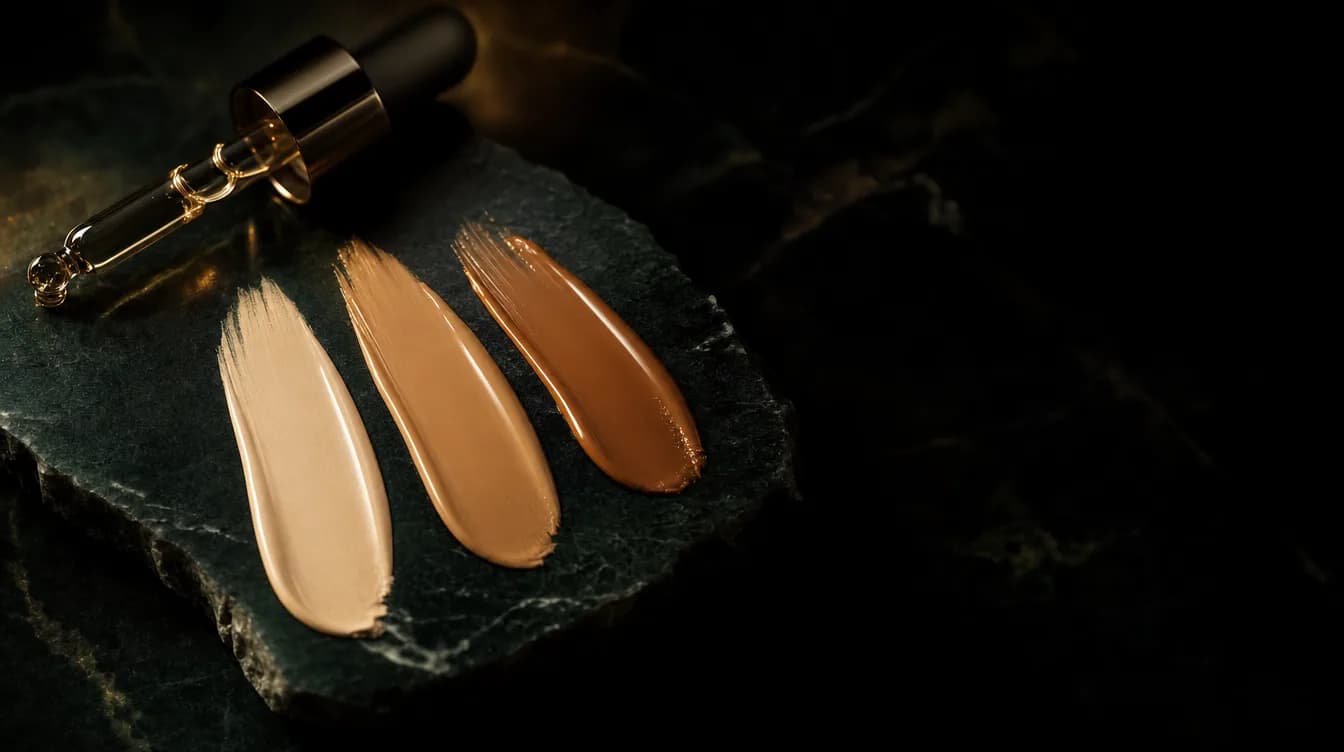
A few hair-like pencil strokes and a swipe of tinted brow gel can visibly thicken the look of sparse eyebrows without touching the skin underneath.
The short answer
If you're wondering how to make thin eyebrows look fuller, the short answer blends honest cause-checking with cosmetic technique: brow powder or gel builds soft density, a pencil adds hair-like strokes, and concealer sharpens the edge, all in about 5 minutes. Causes range from genetics and over-plucking history to aging, and less commonly to conditions such as alopecia areata, which the AAD notes can affect both eyebrows as well as the scalp. Makeup only creates the appearance of fullness — it does not regrow hair. For sudden or patchy loss, a dermatologist visit is the next step.
How to Make Thin Eyebrows Look Fuller: Causes and Quick Fixes
How to make thin eyebrows look fuller is one of the most common questions we hear at the counter. The honest answer has two parts. First, sparse brows usually trace back to genetics, grooming history, or natural aging. Occasionally, a medical cause is worth checking too. Second, makeup can build a convincing illusion of fullness in minutes. However, it cannot regrow a single hair. Understanding both halves helps you set realistic expectations before you pick up a brush. Furthermore, each cause calls for a slightly different response, so it helps to know which one applies to you. For example, genetically sparse brows respond differently to styling than a patch that appeared suddenly. The sections below walk through both the causes and the techniques in order.
How to Make Thin Eyebrows Look Fuller in Under Five Minutes
A simple three-step routine covers most cases. First, fill with a brow powder or pencil in short, hair-like strokes. This adds the first layer of visual density. Furthermore, a tinted brow gel sets those strokes in place. It also tints the fine hairs that are already there. Finally, a touch of concealer along the top and bottom edges sharpens the shape. This makes the whole brow read as fuller from across a room. Notably, none of these steps change what is happening inside the hair follicle. They only change what the eye sees. For best results, work near a well-lit mirror and use a slanted brush to blend each layer. Additionally, thin layers applied twice almost always look more convincing than one heavy pass.
What "Fuller" Realistically Looks Like
Makeup fullness is about shape and shading, not new hair growth. Instead of promising regrowth, a good brow routine should promise something else. It should promise symmetry, a defined arch, and a soft gradient. That gradient runs from light at the inner corner to deeper at the arch. Consequently, brows can look visibly fuller in photos and in person. This happens without a single new hair appearing. Importantly, this illusion fades by the end of the day. It needs a long-wearing gel to last. For example, a soft, slightly smudged pencil line mimics the irregular edge of real brow hair better than one sharp outline. Similarly, a touch of lighter color at the very front of the brow looks more natural than one flat shade throughout.
Common Causes of Thin or Sparse Eyebrows
Several ordinary factors explain why brows thin out over time. Genetics plays a large role in brow density. Hair density and growth cycles are partly inherited traits. Additionally, repeated over-plucking or waxing over many years may visibly thin brow density. This happens in some people, though reactions vary from person to person. For instance, hair removed from the same follicle again and again can change over time. In some cases, it grows back finer or sparser than before. However, this is not guaranteed. Plenty of people pluck for decades with little visible change. For example, two people with similar coloring can still have very different natural brow density from inherited growth patterns alone. Moreover, the rate at which plucked hair grows back can vary across different parts of the same brow.
Aging is another common factor behind thinner brows. Brow hair, like scalp hair, can thin gradually as part of normal aging. The NHS notes that most hair loss is temporary. It is often simply a normal part of getting older. Meanwhile, hormonal shifts and skin changes during the Prime years often bring brow thinning. This kind of thinning usually has nothing to do with any disease. In practice, it responds well to the makeup techniques covered later in this guide. That is because the follicles themselves are usually healthy. For instance, the skin around the brow can also thin with age, which changes how shadows fall across the area. Additionally, many people notice their brow hair color lightening with age even when density holds steady, which can make brows look sparser than they really are.
When Thin Eyebrows Might Signal Something More
Occasionally, thin eyebrows point to an underlying condition. This is rather than genetics or grooming habits alone. Alopecia areata is an autoimmune condition. The immune system attacks hair follicles directly, according to the Cleveland Clinic. It often causes sudden, coin-sized patches of hair loss. These patches can affect the eyebrows and eyelashes as well as the scalp. Notably, the American Academy of Dermatology points out something important. When alopecia areata affects the eyebrows, people usually develop patchy loss on both brows. This is rather than just one side, which can help tell it apart from everyday thinning. For example, a single sparse patch on only one eyebrow is more likely to be ordinary thinning or an old waxing mishap. Moreover, this both-sides pattern described by dermatologists is a helpful clue, not a self-diagnosis tool on its own.
Hair affected by alopecia areata often regrows on its own. Sometimes it starts as fine, lighter-colored hairs that thicken and recolor over time, per the Cleveland Clinic. However, regrowth is not guaranteed, and the condition can return. Similarly, skin inflammation from dermatitis or eczema has been linked to hair thinning around the eyebrow area in some patients, according to Mayo Clinic. Common triggers include irritants, allergens, and dry skin. Therefore, if your brows are thinning suddenly, unevenly, or alongside itching, redness, or flaking, that pattern is worth noting. It is worth looking past makeup fixes and toward a proper diagnosis. Importantly, not every case of dermatitis near the brow leads to noticeable hair thinning, since reactions depend on the person and the irritant involved. Furthermore, calming the underlying skin irritation is usually the first step toward any improvement in that area.
At our counters, we often see customers reach for a heavier pencil first. They do this before asking why their brows thinned in the first place. That order is worth reversing. Our products can cover, shape, and visually fill sparse areas. However, they cannot treat alopecia areata, dermatitis, or any other medical cause of hair loss. Ultimately, cosmetics and medical care solve different problems. Using both in the right order gets the best result. Instead of covering a sudden change, start with a proper diagnosis first. Afterward, our brow products can manage the cosmetic side while any underlying issue is treated separately.
Brow Powder and Gel: Building Fuller-Looking Density
Brow powder is the easiest way to add soft, buildable density. It does this without hard lines. The S.he EyeBrow Powder & Gel comes in Black, Brown, and Dark Brown. It pairs a pressed powder with a clear-set gel in one compact. For example, dusting powder through the sparsest section first keeps the result natural. Blending outward afterward keeps it from looking drawn-on. Meanwhile, the Nabi EyeBrow Gel tints the fine hairs that are already present. It also brushes them into one direction, which reads as more volume from a normal viewing distance. Instead of applying one thick layer, try two light layers. Powder first, then gel, tends to look more natural and last longer through the day.
Choosing between powder and gel often comes down to how patchy the brow is. For example, a brow that is uniformly thin across its whole length suits a light, all-over powder application. Meanwhile, a brow with only one or two bare patches might only need gel to tint and train the hairs that remain. Similarly, combining both products rarely looks heavy as long as each layer stays thin. Consequently, a five-minute morning routine is usually enough to maintain the look through the day.
Pencil Technique: Hair-Like Strokes for a Natural Fill
A pencil is the right tool for filling specific gaps. It works better than filling the whole brow in one block. The S.he Brow Pencil & Brush and the S.he 4-Tip Brow Pencil both have fine tips. These tips are built for short, angled strokes that mimic real hair. For instance, start at the inner corner with light, upward flicks. Gradually angle the strokes to follow the brow's natural arch. This keeps the fill looking organic rather than drawn-on.
The S.he Diamond Brow Pencil and the S.he Long Lasting Brow Pencil & Sharpener both include a built-in sharpener. This matters because a dull tip is the fastest way to end up with a flat brow. A flat, drawn-on brow looks less natural than individual hair-like strokes. Additionally, choose a shade close to, or very slightly lighter than, your natural brow color. This avoids the harsh, painted-on look that can make thinning more obvious. In practice, most people only need to fill the front third and the tail. Leaving the arch lighter creates a more lived-in finish.
A simple way to check your work is to step back from the mirror after filling. For example, brows should look balanced from a normal distance, not just up close. Additionally, comparing both brows side by side catches any asymmetry before you leave the house. Finally, a cotton swab can tidy up any stray marks left on the skin around the brow.
Shaping and Sharpening the Brow Line with Concealer
A clean edge does more for the appearance of fullness than people expect. The Nabi All in One Concealer with Brush can be swept just under and above the brow. This erases stray hairs and sharpens the line between skin and brow. Consequently, the brow itself appears denser by contrast. This happens even though nothing about the hair has changed. For example, a thin, precise line of concealer under the arch can visually lift the whole brow. It makes a fuller shape above it more convincing. Furthermore, blend the concealer edge with a fingertip rather than leaving a hard line. This keeps the result looking like skin rather than makeup.
Concealer works best as a finishing step, not a first step. For instance, applying it before the pencil or powder can make the brow look flat and overly covered. Instead, save concealer for the very last step, once the shape itself is filled in. Consequently, the eye is drawn to a crisp edge rather than to any unevenness underneath.
How MissBiotics Can Help
Our brow collection is built around this exact cause-and-fix approach. Powders and gels handle base density. Pencils add hair-like detail. Concealer finishes the edge. Start with the S.he EyeBrow Powder & Gel or the Nabi EyeBrow Gel at $5.99–$6.99 to build a soft base. Then add the S.he Brow Pencil - Black/Brown ($4.99) for precise, individual strokes in the sparsest spots. Finally, finish the shape with the Nabi All in One Concealer with Brush ($4.99). For example, many customers start with just the powder-and-gel duo before adding a pencil later for extra precision.
For a full step-by-step on blending these into one soft shape, see our related guide on the fluffy natural brow look. If your brows have changed suddenly, or you want a personalized routine, our free consultation team can walk through shade matching and technique. Our rituals library also has more brow and eye routines organized by occasion. Additionally, our origins story explains the probiotic-inspired philosophy behind every product we make.
Conclusion
Thin eyebrows have real causes worth understanding. These range from genetics and grooming history to aging. Occasionally, a medical condition like alopecia areata or dermatitis is behind the change. However, you do not need to wait for a long-term fix to look put-together today. Powder and gel build density. Pencils add hair-like detail. Concealer sharpens the edge. Together, they make even very sparse brows look balanced in a few minutes. For instance, starting with just one product is often enough to see a difference. A brow pencil or a powder-and-gel duo works well as a first step.
Ultimately, if your brow loss feels sudden, patchy, or came with other skin symptoms, treat that as a cue. See a dermatologist rather than reaching only for makeup. For example, even a two-minute touch-up with gel alone can make a noticeable difference before a busy day. Similarly, keeping one pencil and one gel in your routine covers most situations without added complexity. Ready to build your own routine? Shop brow pencils, powders, and gels or book a free consultation for shade matching and technique tips.
Questions, answered
Can makeup actually make sparse eyebrows look fuller?+
Yes, the right combination of powder, pencil, and gel can make sparse eyebrows look fuller. Powder adds soft shading across thin patches. A pencil fills gaps with hair-like strokes, and gel sets everything in place. However, this is a cosmetic illusion, not a treatment. It does not change the hair follicles underneath.
Why are my eyebrows so thin in the first place?+
Thin eyebrows are usually explained by genetics, a history of over-plucking or waxing, or natural aging. For example, repeated hair removal from the same follicles may, in some people, lead to finer regrowth over time. Results vary widely from person to person. Additionally, brow hair can thin gradually with age the same way scalp hair does.
Does over-plucking permanently damage eyebrow hair?+
Over-plucking does not permanently damage every follicle. However, it can visibly thin brow density in some people after years of repeated removal. Reactions vary from person to person, and many people pluck for decades without major changes. Therefore, it is reasonable to ease up on tweezing if you want to see whether your natural density improves.
What is the best product to fill in sparse brows?+
A brow powder and gel duo, such as the S.he EyeBrow Powder & Gel, is a strong starting point. It builds soft density without hard lines. A fine-tipped pencil, like the S.he 4-Tip Brow Pencil, works better for filling specific gaps with individual strokes. Meanwhile, a tinted gel alone, like the Nabi EyeBrow Gel, suits brows that are thin but not patchy.
Can alopecia areata cause thin or patchy eyebrows?+
Yes, alopecia areata is an autoimmune condition that can cause patchy hair loss on the eyebrows. It can also affect the scalp and eyelashes, according to the American Academy of Dermatology. It usually affects both eyebrows rather than just one side. Hair often regrows on its own over time, per the Cleveland Clinic, though regrowth is not guaranteed.
How long does it take to learn a good brow filling technique?+
Most people see a clear improvement within their first one or two tries. Starting at the inner corner and working outward in short, light flicks is the fastest way to get comfortable. Consequently, a five-minute routine can become closer to two minutes once the motion feels familiar.
When should I see a doctor about thin eyebrows instead of just using makeup?+
See a doctor if your eyebrow thinning is sudden, patchy, or shows up alongside itching, redness, or flaking. Those patterns can point to alopecia areata or dermatitis rather than ordinary thinning. The NHS notes that most hair loss does not need treatment and often resolves on its own. Still, persistent or distressing hair loss is worth discussing with a professional. In short, if eyebrow thinning is sudden, patchy, or came with other symptoms, see a dermatologist or GP rather than relying on makeup alone.
Sources & further reading