Jojoba vs Sabila Mascara: Which Super Lash Formula Wins?
October 31, 2026 · 8 min read
Written by the MissBiotics Beauty Team — probiotic-inspired beauty specialists.
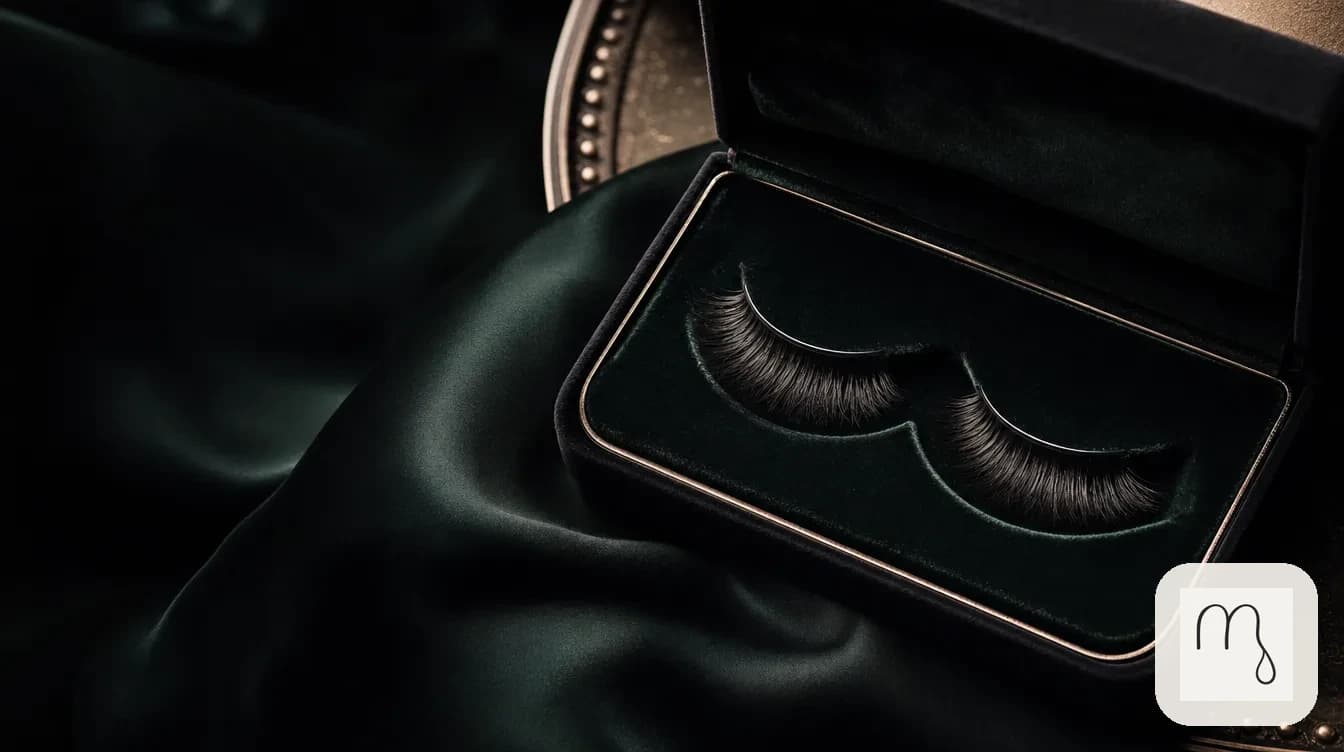
Jojoba vs sabila mascara is a choice between two conditioning oils blended into the same affordable Super Lash formula.
The short answer
Jojoba vs sabila mascara comes down to two different conditioning ingredients blended into the same $4.99 Super Lash formula: jojoba oil, a wax-ester moisturizer studied for anti-inflammatory and skin-soothing effects, versus sabila — the Spanish word for aloe vera — a humectant gel used topically for centuries for its moisture-binding, calming properties. Both are buildable, flake-resistant formulas at the same price, and the right pick usually comes down to whether your lashes run dry and brittle (jojoba) or your eye area runs easily irritated (sabila).
Jojoba vs Sabila Mascara: The Two Super Lash Formulas, Explained
Jojoba vs sabila mascara is a genuinely unusual comparison, since most mascara shopping decisions come down to brush shape or waterproofing. Here, instead, the real difference sits in the conditioning ingredient blended into each formula. Both versions belong to the same Super Lash line, share the same $4.99 price, and use the same basic buildable, flake-resistant base.
The split comes entirely from what's added to condition the lashes while they're coated. One leans on jojoba oil, a plant-derived wax ester long used in skincare and haircare. The other leans on sabila, better known in English as aloe vera. Therefore, choosing between them is really a choice between two different conditioning philosophies, not a choice about color, hold, or volume.
Why Jojoba vs Sabila Mascara Even Exists as a Choice
Many mascara brands pick one conditioning ingredient and build an entire line around it. Super Lash instead offers both, alongside black, brown, blue, and clear variants, giving shoppers a genuine choice rather than a single default. Consequently, two people who both want a conditioning formula can end up picking entirely different tubes based on what their lashes and eyes actually respond to.
What Is Sabila? (And Why It's in Your Mascara)
Sabila is simply the Spanish word for aloe vera, a succulent plant long used topically for its soothing, moisture-binding gel. The name reflects the Super Lash line's roots in Latin American beauty traditions, where aloe has a long, well-established history as a skin and hair ingredient. A 2009 PubMed-indexed review of aloe vera in dermatology found promising results across several skin applications. However, it also noted that clinical evidence for some specific claims is still limited (PubMed aloe vera review). In practice, that mirrors how most beauty ingredients get used: with real but modest, well-documented benefits, not miracle claims.
In a mascara formula, sabila's main job is to add a lightweight, water-binding feel to the lash coating. For instance, people who find standard mascara formulas stiff or drying along the lash line often notice the sabila version feels comparatively softer through the day. Importantly, this is a cosmetic conditioning effect, not a treatment claim. The formula supports and softens; it doesn't heal or regrow anything. That distinction matters, since no mascara, regardless of ingredients, changes the biology of how a lash grows.
Shoppers unfamiliar with the term sometimes assume sabila is a synthetic or unfamiliar additive, when it's simply a translation gap rather than a different ingredient category. Notably, the same plant shows up under its English name, aloe vera, across countless other skincare and haircare products already on shelves everywhere.
What Jojoba Oil Does for Your Lashes
Jojoba oil is technically a liquid wax, which is part of why it's prized in both skincare and haircare. Its structure closely resembles the skin's own natural oils. A 2013 dermatology review found evidence for anti-inflammatory activity and potential use across several skin applications, including skin aging and wound healing support (PubMed jojoba review). Furthermore, a more recent 2021 comprehensive review of jojoba's chemistry and uses found it widely used in cosmetics to help restore skin and hair condition, without producing severe irritation in testing (NCBI jojoba comprehensive review).
Applied to lashes specifically, jojoba's wax-like structure helps coat each lash with a slightly richer, more flexible film than a standard formula. As a result, lashes treated with a jojoba-conditioned mascara tend to feel less brittle by the end of the day. That matters most for anyone who already deals with dry, sparse, or easily damaged lashes. Additionally, the same wax-ester structure is part of why jojoba is a common ingredient in lash and brow serums sold separately from mascara entirely.
Jojoba's similarity to natural skin oils also means it tends to feel familiar rather than foreign on contact. Consequently, people who find mineral-oil-based formulas heavy or greasy often describe jojoba-based ones as noticeably lighter in comparison, despite jojoba technically being an oil itself.
Jojoba vs Sabila Mascara: Side-by-Side Comparison
Texture is the first noticeable difference. The jojoba formula tends to feel slightly richer and more emollient on application, while the sabila formula leans lighter and more watery, closer to a gel-based feel. Neither is objectively better; it's purely a texture preference. Importantly, both still deliver the same pigment payoff per coat, so texture doesn't translate into a visible color difference.
Finish differs too. Jojoba's oil-based conditioning tends to add a touch more visible sheen to the lash coating, while sabila's gel-based formula dries to a slightly more matte, natural look. Meanwhile, both versions share the same wear time and the same buildable coverage, so neither sacrifices performance for its conditioning ingredient. For example, someone layering three light coats gets the same clump-free build whichever formula they're using.
Scent is a smaller but real difference. Jojoba-based formulas often carry a faint nutty, oil-like note, while sabila-based ones tend to smell cleaner and more neutral. For sensitive-nose wearers applying mascara at close range, that small detail is sometimes the deciding factor. In addition, anyone with a known fragrance sensitivity may simply prefer whichever scent profile feels less noticeable to them personally.
Price and packaging don't differ at all. Both tubes sell for $4.99, use the same brush shape, and hold the same volume of product. That said, the only way to know which formula actually suits your own lashes is to try both and compare directly, since written descriptions only go so far.
Which Formula Should You Choose?
Choose jojoba if your lashes run dry, brittle, or sparse, since its richer, wax-based conditioning targets exactly that concern. It also suits anyone who wears mascara daily and wants extra conditioning built into the routine rather than added as a separate step. Additionally, cooler, drier climates tend to make lashes more prone to brittleness, which is another reason jojoba often gets picked through winter months.
Choose sabila if your eye area runs sensitive, easily irritated, or prone to a tight, dry feeling by the end of the day. Its lighter, water-based gel formula tends to feel gentler through long wear. However, sabila isn't formulated as a medical treatment for eye irritation. Anyone with ongoing irritation should still see a doctor rather than relying on a mascara formula to resolve it. Similarly, contact lens wearers who find oil-based formulas leave a slight residue on their lenses sometimes prefer sabila's lighter feel for that reason alone.
At our counters in New York and London, we hear the same two questions constantly: which one builds more volume, and which one is safer for contacts. In practice, volume performs nearly identically between the two, since that comes from the brush and base formula, not the conditioning oil. For contact lens wearers, both formulas are equally fine; the usual mascara precautions, like avoiding the waterline, apply either way. Ultimately, most repeat customers end up owning both and switching based on season or how their lashes are feeling that week.
How to Apply Either Formula for Maximum Wear
Start with clean, completely dry lashes, since any leftover oil or moisturizer can affect how evenly either formula grips the lash. Wiggle the wand at the base of the lashes first, then pull up and slightly out to catch length without clumping. For instance, a slight zigzag motion at the root adds visible volume before the wand ever reaches the tips.
Let the first coat dry for about 30 seconds before applying a second one, if more volume is wanted. Applying a second coat too quickly tends to clump wet product rather than building clean layers. Instead, patience between coats is what actually separates a clean, buildable result from a clumpy one. Finally, replace either formula roughly every three months, which the FDA notes as a reasonable guideline given how much bacteria and fungi a mascara wand picks up with each use (FDA cosmetics shelf life). That same three-month window applies equally to both the jojoba and sabila versions, regardless of which one dries out more slowly in the tube.
Common Mistakes When Choosing Between the Two
Assuming one formula builds more dramatic volume than the other is the most common mistake. In fact, volume comes almost entirely from the brush shape and the base formula shared by both versions, not from the conditioning oil. Choosing based on volume expectations alone usually leads to disappointment either way, regardless of which conditioning ingredient ends up on the label.
Skipping a patch test is the second common mistake, especially for anyone trying a new conditioning ingredient for the first time. For instance, applying a small amount near, but not on, the eye area and waiting a day is a simple way to catch a sensitivity before it affects a full day of wear. Instead of discovering irritation mid-morning, that one extra step catches most reactions early.
Finally, holding onto either formula for too long undermines its benefits. However fresh a formula was at purchase, a mascara wand picks up bacteria with every use, and both the jojoba and sabila versions age the same way. Therefore, writing the opening date on the tube is a simple habit that keeps either formula performing as intended.
How MissBiotics Can Help
Try the Super Lash Mascara- Jojoba ($4.99) for richer, more emollient conditioning, or the Super Lash Mascara- Sabila ($4.99) for a lighter, gel-based feel. Both share the same buildable, flake-resistant base as the rest of the Super Lash line, including the Super Lash Black Mascara ($4.99) and Super Lash Clear Mascara ($4.99).
Pair either formula with the Celavi Eyelash Tool Set ($9.99) for cleaner, more precise application, or browse the full range under Lashes. For another formula-focused comparison, read our curved vs straight mascara wand guide.
Conclusion
Jojoba vs sabila mascara isn't a question with a universally right answer; it's a question about what your own lashes and eyes respond to best. Jojoba brings richer, wax-based conditioning suited to dry or brittle lashes, while sabila brings a lighter, gel-based feel suited to sensitive eyes.
Both share the same price, the same buildable coverage, and the same roughly three-month shelf life once opened. Therefore, the lowest-risk way to decide is simply to try the one that matches today's lash concern, and know the other formula is always there waiting if your needs change later in the year.
Questions, answered
Is sabila the same as aloe vera?+
Yes. Sabila is simply the Spanish word for aloe vera, the same succulent plant used in countless topical gels and skincare products. In the Super Lash formula, it's included for its lightweight, moisture-binding feel.
Does jojoba oil help lashes grow?+
Jojoba oil is a conditioning ingredient, not a growth treatment, and no mascara formula is proven to grow lashes. What it does offer is a richer, more flexible coating that can make existing lashes feel less brittle.
Can I use jojoba mascara with sensitive eyes?+
It's possible, but the sabila formula is generally the gentler-feeling option for sensitive eyes, thanks to its lighter, water-based gel texture. Anyone with a known sensitivity should patch-test either formula and stop use if irritation develops.
How long should I keep Super Lash mascara before replacing it?+
About three months from first opening, which is the general guideline the FDA cites for most mascara formulas due to bacteria exposure from the wand. Discard either formula sooner if it dries out or develops an odd smell.
Is sabila mascara waterproof?+
No, the Super Lash Sabila formula is a standard, buildable formula rather than a waterproof one. For waterproof wear, check the specific Super Lash variant's listing before buying, since waterproofing isn't tied to the conditioning ingredient.
Which Super Lash mascara is least likely to flake?+
Both the jojoba and sabila formulas share the same buildable, flake-resistant base, so flaking risk is similar between them. Applying thin, well-dried coats rather than one thick layer reduces flaking with either formula.
Sources & further reading