Reactivate Dried Out Mascara: Is It Actually Safe?
October 29, 2026 · 8 min read
Written by the MissBiotics Beauty Team — probiotic-inspired beauty specialists.
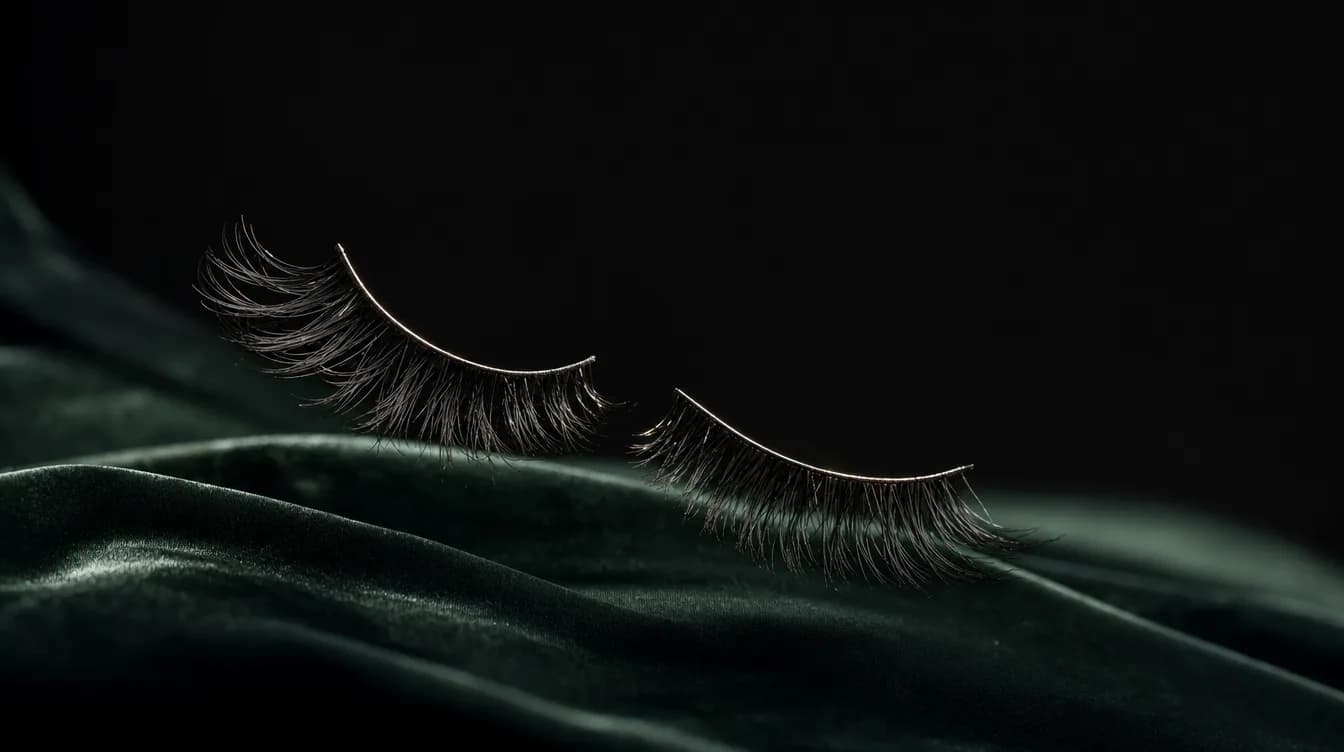
Trying to reactivate dried out mascara feels like a quick fix, but eye-safety guidance treats a dried-out tube differently than a dull lipstick.
The short answer
Trying to reactivate dried out mascara by adding water or saliva isn't safe, according to the FDA's own cosmetics shelf-life guidance, since both introduce bacteria into a tube already past its prime. Most mascara is good for about 3 months after opening, and a dried-out, clumpy, or odd-smelling tube is a sign to replace it with a fresh $4.99 tube rather than revive it. A warmed, unopened tube and a fresh wand are the two low-risk tricks actually worth trying first.
Reactivate Dried Out Mascara: What the FDA Actually Says
Plenty of popular online beauty tutorials promise you can reactivate dried out mascara with a drop of water, a squeeze of eye drops, or even saliva on the wand. However, the FDA's own cosmetics shelf-life guidance directly contradicts that advice. It specifically recommends against adding water or saliva to dried-out mascara, since both introduce bacteria into a product that's already past its best condition. In other words, the fix that feels harmless is exactly the one eye-safety authorities warn against.
That matters because mascara sits closer to your eye than almost any other cosmetic. Importantly, the FDA's eye cosmetic safety page notes that eye cosmetics can become contaminated even when new, and that misuse lets bacteria or fungi grow inside the tube over time. Therefore, a tube that's already dried out is starting from a worse position than a fresh one, not a neutral one.
Why People Try to Reactivate Dried Out Mascara in the First Place
Mascara dries out for a boring, mechanical reason. The tube is opened and closed repeatedly. Each pump of the wand pushes a little air into the barrel. That air slowly evaporates the solvents that keep the formula workable. For instance, a tube used daily for 3 months has been opened and resealed well over 150 times. Each time lets in a fresh breath of drying air. Consequently, by the time a tube feels thick and tugs at the lashes, replacing the whole thing often feels wasteful enough to justify trying almost anything to save it.
How Long Mascara Actually Lasts Once Opened
The FDA's shelf-life guidance notes that some industry experts recommend replacing mascara around three months after purchase. That window is shorter than almost any other cosmetic in a makeup bag, including foundation or eyeshadow, because the tube's narrow, repeatedly pumped shape is especially good at pulling bacteria in and trapping moisture that helps it grow. For example, an eyeshadow palette opened and closed the same number of times carries far less contamination risk, simply because nothing is being pumped in and out of a sealed tube each use.
A 3-month window is a guideline, not a guarantee either direction. Daily use shortens it. So does dipping the wand in and out repeatedly within one sitting. Storing the tube somewhere warm, such as a bathroom shelf near a shower, shortens it further still. Meanwhile, lighter, less frequent use in a cool, dry spot can sometimes stretch it slightly. Either way, a change in texture, smell, or color is a more reliable signal than the calendar alone.
At our New York and London counters, this is one of the questions we hear most often at the lash and mascara display, usually phrased as some version of "can I just fix this instead of buying a new one." Most shoppers are surprised to learn the FDA has a specific, named answer already, rather than this being a gray area left up to personal judgment. Once they hear that a fresh tube costs under five dollars, the calculation tends to shift quickly away from troubleshooting an old one.
Safer Ways to Loosen a Thickening Tube
If a tube has only recently started feeling thick, two low-risk tricks are worth trying before anything riskier. First, warm the closed, unopened tube in your hands or a bowl of warm, not hot, water for a few minutes. Heat gently loosens thickened product without adding any outside liquid into the formula. For instance, rolling the sealed tube between your palms for 30 to 60 seconds before each use is often enough to soften mild thickening on its own.
Second, consider whether the wand itself, not the formula, is the real problem. A clogged or overly saturated wand can make even fresh mascara apply unevenly, and wiping excess product off the wand against the tube's own opening before each stroke reduces clumping regardless of the formula's age. Notably, neither of these fixes adds water, saliva, or any other liquid directly into the tube, which is the specific step the FDA's guidance warns against.
What you should not do is dip the wand in water, saline solution, or any other liquid to loosen it further. One consumer habit involves adding a drop of contact lens solution. That seems logical in theory. However, it still introduces an outside liquid, and outside liquid is exactly the contamination risk that shortens a tube's safe life. For example, a single drop can measurably shift the water-to-oil ratio, which changes how the formula clumps and flakes well before it changes how it smells.
Mascara Reactivation Myths Worth Retiring
A few other tricks circulate widely but don't hold up any better than water or saliva. Microwaving a tube for a few seconds is one of them. Heat alone isn't the problem; uneven, uncontrolled heat is. A microwave can scorch or partially melt the plastic barrel in spots, which changes the formula's chemistry in ways a bowl of warm water never would. Similarly, poking the wand with a toothpick or pin to "open up clogged bristles" risks introducing whatever was on that toothpick directly into the tube, right where it touches your eyelid next.
Another common myth is that adding a few drops of a different, newer mascara into an old tube extends its life. In practice, this just dilutes two separate formulas, and each one likely has a different age and contamination history already. Instead of combining unknowns, replacing the older tube outright is simpler, cheaper, and genuinely lower risk than guessing how two unrelated formulas will interact once mixed together inside one barrel.
When to Stop Trying and Just Replace the Tube
Some signs mean it's time to stop troubleshooting altogether. A sour or otherwise off smell is one of the clearest warnings, since mascara doesn't naturally smell different as it simply dries out. Similarly, any visible change in color, a stringy or separated texture that doesn't smooth out after warming, or new eye irritation after use are all reasons to discard a tube immediately rather than try one more trick.
Notably, age matters independently of texture, too. A tube that's been open for six months or more is worth replacing even if it still looks and feels fine, since the FDA's shelf-life guidance ties contamination risk to time as much as to appearance. In practice, writing the opening date on the tube with a fine marker is a simple way to track this without relying on memory.
The Real Eye Infection Risk Behind This Question
This isn't a purely theoretical caution. Cleveland Clinic's guidance on styes notes that a bacterial infection in the eyelid's oil-producing glands causes most cases, and recommends replacing eye makeup every two to three months as one prevention step. Additionally, Mayo Clinic's guidance on pink eye, or conjunctivitis, lists bacterial infection among the leading causes, alongside viral infection and allergic reaction. For context, pink eye symptoms typically include redness, a gritty feeling, and crusty discharge that can stick the eyelids shut overnight, none of which are mild inconveniences to live with for a week while an infection runs its course.
Importantly, neither source claims mascara itself directly causes these conditions in every case. However, both describe exactly the contamination pathway a dried-out, revived tube creates: compromised product, repeated close contact with the eyelid margin, and, for many people, daily reuse over months. Therefore, the honest answer to whether you can reactivate dried out mascara isn't really about whether a trick works. It's about whether the resulting risk is worth it for a product that costs under five dollars to replace outright.
A Quick Checklist Before You Decide
Run through a short mental checklist before reaching for anything. First, check the opening date, if you tracked one. Anything past 3 months deserves real suspicion. Additionally, smell the tube. A sour or chemical-off smell means stop immediately, no exceptions. Similarly, look at the wand itself. Dried clumps that won't soften after warming point toward a formula problem, not just a clogged brush.
Next, think honestly about how the tube has been stored and used. For instance, a tube kept in a hot car or a steamy bathroom ages faster than the 3-month average suggests, since both heat and humidity speed up the same bacterial growth the FDA's guidance warns about. Likewise, a tube shared with a friend, even once, carries a meaningfully higher contamination risk than one used by a single person, since sharing introduces an entirely separate set of bacteria with no way to know its source. Finally, weigh the actual stakes. Therefore, a five-dollar tube is rarely worth a swollen eyelid or a lost workday to a stye, however convenient reactivating the old one feels in the moment.
How MissBiotics Can Help
Rather than stretching a questionable tube further, MissBiotics stocks a full range of Super Lash mascaras at $4.99 each, which makes a fresh replacement an easy swap rather than a reluctant expense. Try the Super Lash Black Mascara ($4.99) for an everyday classic, or the Super Lash Clear Mascara ($4.99) if you want definition without heavy pigment. The Super Lash Mascara- Jojoba ($4.99) and Super Lash Mascara- Sabila ($4.99) both build in a conditioning ingredient alongside color.
Before applying a fresh tube, the Nabi Waterproof Makeup Remover ($6.99) clears away old product and residue completely, so new mascara goes on a clean lash line rather than over leftover buildup. For a lighter, more natural-looking option, the Apple Naturista Mascara ($4.99) is another easy everyday swap once an old tube reaches its 3-month mark.
Browse the full range under Lashes, or read our why does mascara clump guide for more on formula troubleshooting. For irritation that doesn't clear up on its own, see a doctor rather than continuing to experiment with the product.
Conclusion
You can reactivate dried out mascara in a limited, genuinely low-risk way: warming a sealed tube and cleaning up the wand both help without adding anything new into the formula. However, adding water, saliva, or contact solution directly into the tube crosses into the exact risk the FDA's own guidance warns against. In short, treat a three-month-old, clumpy tube as a signal to replace it, not a puzzle to solve, and your eyes will genuinely thank you later for making that five-dollar swap sooner rather than later.
Questions, answered
Can you reactivate dried out mascara with water?+
No. The FDA's cosmetics shelf-life guidance specifically advises against adding water or saliva to dried-out mascara, since both introduce bacteria into a tube that's already past its best condition.
How long does mascara actually last after opening?+
Some industry experts recommend replacing mascara around three months after purchase, according to FDA guidance. Daily use, warm storage, and repeated dipping can shorten that window further.
Is it safe to add eye drops or saline to mascara?+
No. Any added liquid, including contact lens solution, shifts the formula's water-to-oil balance and introduces outside contamination, which is the same risk the FDA warns against with water or saliva.
What's a safer way to loosen thickened mascara?+
Warming the closed, unopened tube in your hands or warm water for a few minutes softens product without adding any liquid. Cleaning excess buildup off the wand before each use also helps without changing the formula.
Can old mascara cause an eye infection?+
It can contribute to one. Cleveland Clinic notes that bacterial infection in the eyelid's oil glands causes most styes, and recommends replacing eye makeup every two to three months, while Mayo Clinic lists bacterial infection among the leading causes of pink eye.
What signs mean I should throw out my mascara?+
A sour smell, a change in color, a stringy texture that doesn't soften with warming, or any new eye irritation after use are all reasons to discard a tube right away rather than try to revive it.
Is it worth trying to revive mascara at all?+
Only with the low-risk tricks, warming the sealed tube and cleaning the wand. Given that a fresh tube often costs under five dollars, most dermatology and FDA guidance points toward replacing a genuinely dried-out tube instead.
Does switching to a different mascara wand type help with dried-out formula?+
No. A new wand shape can improve application on a fresh formula, but it does nothing to fix a dried-out one. If the formula itself has thickened, changing the wand only changes how unevenly the thickened product goes on.
Sources & further reading
- FDA — Cosmetics Safety Q&A: Shelf Life, including mascara replacement and dried-out product guidance
- FDA — Eye Cosmetic Safety, on contamination risk and infection
- Cleveland Clinic — Stye: causes, including bacterial infection and eye makeup replacement guidance
- Mayo Clinic — Pink Eye (Conjunctivitis): symptoms and causes