Satin Skin Makeup Trend: 2026's Answer to Glass Skin
October 24, 2026 · 9 min read
Written by the MissBiotics Beauty Team — probiotic-inspired beauty specialists.
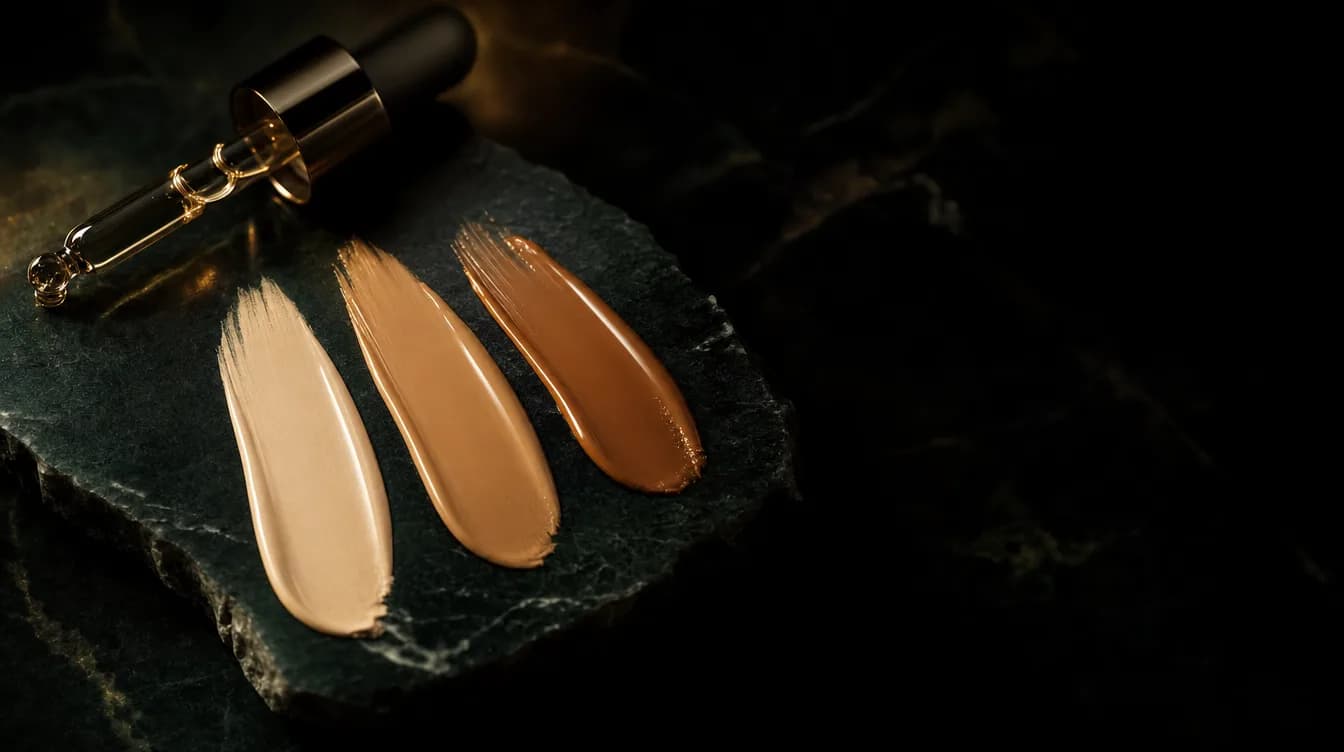
Satin skin keeps a gentle sheen while letting real skin texture show through, the opposite of a mirror-shine finish.
The short answer
The satin skin makeup trend is a 2026 shift away from the high-shine glass skin look toward a soft, slightly matte finish that still shows real skin texture. It uses a thin veil of foundation, a small dot of cream highlighter placed only where light naturally hits, and one light pass of translucent powder on the T-zone. The result sits between full matte and full gloss, and it takes far fewer products than the layered glass-skin routines popular over the last two years.
What Is the Satin Skin Makeup Trend?
The satin skin makeup trend is quietly replacing the mirror-finish "glass skin" style that has dominated the last few beauty cycles. Instead of an all-over wet shine, it uses a soft, fabric-like sheen. That sheen catches light gently at the cheekbones and brow bones. However, the rest of the face stays smooth and lightly diffused rather than glossy. The name itself comes from that comparison: closer to the texture of satin ribbon than the texture of glass. For example, a glass-skin base often reflects studio lighting back at the camera, while a satin base simply softens it.
Where glass skin asks for heavy hydration and an almost liquid shine everywhere, this trend asks for restraint. Makeup artists quoted in recent beauty coverage describe satin skin as sitting deliberately between matte and glow. Their goal is luminosity without losing the look of real pores underneath. In practice, that means fewer layers of product, not more. For shoppers in both the US and UK, it also means a faster morning routine, since there is simply less to apply and blend.
This shift counts as a genuine 2026 trend marker rather than a repeat of an older look. For instance, searches and editorial coverage of the phrase only picked up pace this year, following a handful of high-profile red carpet and event looks. Importantly, that timing matters for anyone trying to tell a real shift from a recycled one, since beauty trends often resurface every few years under a new name.
Satin Skin Makeup Trend vs. Glass Skin, in Practice
In practice, the satin skin makeup trend swaps a dewy, reflective base for a lightweight one. It also swaps an all-over liquid highlighter for a small amount of cream product applied only at the highest points of the face. Glass skin chases maximum shine across every inch of the complexion. Satin skin chases controlled, believable shine in just a few spots. Therefore, the products involved tend to be thinner and used in smaller amounts, rather than piled on for intensity. For instance, a single rice-grain amount of highlighter is usually enough for the whole look.
Why Satin Skin Is Replacing Glass Skin in 2026
Several beauty editors covering the 2026 shift point to simple fatigue with upkeep. A full glass-skin finish needs near-constant touch-ups once natural oil starts breaking through a heavy dewy base. That is especially true on warmer days or under bright indoor lighting at work. Satin skin, by contrast, is designed to move with the skin's own oil production instead of fighting it all day. As a result, it needs far fewer midday repairs.
Dermatology guidance backs up part of this shift. The American Academy of Dermatology notes that caring for oily skin is really about finding balance, since oil itself has real benefits for the skin barrier. A satin finish works with that advice directly. A light, breathable base plus one pass of setting powder only where needed replaces a thick layer meant to mask every bit of shine. Notably, this also means fewer products sitting on the skin by the end of the day.
Meanwhile, the trend also suits skin that leans dry or normal, since a thin layer of hydrating base can still sit comfortably without sliding around. In fact, artists interviewed about the look describe it as working well across skin types. That is largely because the total amount of product used is so much lower than a full glass-skin routine. Additionally, lower product volume means less risk of the base looking cakey by the afternoon, a complaint that follows heavier routines.
Price plays a role too, even if it is rarely mentioned in trend coverage. A thinner routine simply uses less of each product per application, which stretches a bottle of foundation or a pan of highlighter much further over a year. Consequently, a lower-maintenance look is also a lower-cost one over time, which is part of why it has caught on so quickly outside of editorial and red-carpet circles.
How to Build This Satin Finish, Step by Step
Start with a smoothing primer rather than a heavily hydrating one, since the real goal is an even canvas, not extra slip. A thin layer of Line Smoother + Primer with Neodermyl® blurs texture without adding the kind of shine the look is trying to avoid. For instance, pressing the primer in with clean fingertips works better than sweeping it on with a brush, since pressing keeps the layer thinner overall.
Next, apply a buildable liquid base in a thin layer, pressing it into the skin rather than dragging it across. S.he Flawless Stay Foundation is lightweight enough for this approach and blends down to almost nothing rather than sitting as a mask. Add coverage only where it is genuinely needed, such as around the nose or chin, instead of applying one even layer everywhere. Instead of a full-face sweep, think of it as spot correcting first and blending the edges second.
Timing matters as much as product choice. For best results, let each thin layer settle for roughly thirty seconds before adding the next one. Otherwise, the layers can mix together and slide, which defeats the whole point of building a controlled, satin finish instead of a heavy one.
Finishing the Satin Skin Look
Dot a small amount of cream highlighter on the very tops of the cheekbones and blend outward with a clean fingertip. Stop well before the color reaches the center of the face. Finally, press a very light amount of Pro Deluxe Translucent Powder only on the T-zone to tame shine without flattening the glow everywhere else. Additionally, skip powder on the cheeks entirely, since that is exactly where the satin finish is supposed to live. For example, a fluffy brush with almost no product left on the bristles is the right amount for this last step.
Who This Satin Finish Works Best For
At our New York counter, this approach tends to land best with customers who work long indoor hours under office lighting and want a base that holds up without repeated touch-ups. One regular customer told our team she had given up on a dewy routine entirely because it needed blotting by lunchtime; the satin approach described above lasted her through a full shift with a single quick powder pass around 3 p.m.
In the UK, cooler and more humid weather for much of the year changes the calculation slightly. For example, a slightly richer primer under the same thin foundation layer can help the look hold through a damp commute, while the powder step can often be skipped altogether on the coolest days. Ultimately, the core method stays the same on both sides of the Atlantic: thin layers, light highlighter placement, and powder used sparingly rather than everywhere.
Skin that runs very dry for most of the year is the one case worth a small adjustment. Specifically, swapping the smoothing primer for a slightly richer one, or adding a hydrating serum underneath it, keeps the thin foundation layer from clinging to flaky patches. Otherwise, the same three-step method above works for nearly every skin type without further changes, which is part of why editors expect it to stay popular well past 2026.
Common Satin Skin Mistakes to Avoid
The most common mistake is simply using too much product, which turns a satin finish back into a heavy, matte mask. A thin layer builds up far better than one thick layer. For that reason, add product in passes and check progress between each one rather than applying everything at once. Similarly, dusting powder across the whole face erases the look's whole point, since satin skin depends on some areas staying slightly more lit than others.
Another mistake is skipping primer entirely to save a minute, which usually means foundation grabs onto dry patches and looks patchy by midday. Instead, a thin smoothing layer underneath keeps the finish even for longer. As a result, the overall routine actually takes less time than a full glass-skin layering routine, not more, once the smaller product amounts become habit. In short, less product applied with more care beats more product applied quickly.
A third, smaller mistake is matching highlighter placement to someone else's face shape instead of your own. Cheekbone height varies quite a bit from person to person. Therefore, it is worth checking in a mirror under daylight once, rather than copying a placement from a video made under very different lighting. For instance, a placement that looks perfect on a rounder face can sit too high or too low on a longer one, so a quick daylight check saves a redo later.
How MissBiotics Can Help
At our New York and London counters, we build this exact look on walk-in customers almost daily now, usually starting with a thin layer of Line Smoother + Primer with Neodermyl® to blur texture before anything else goes on.
Over that, S.he Flawless Stay Foundation is $7.99 and thin enough to build in passes rather than applying as one heavy coat. For a touch more glow without crossing into glass-skin territory, we also recommend Nabi Pro Glow Liquid Highlighter in White Pearl, a cooler-toned option at $6.99 that photographs well indoors.
For a fuller browse, our Face category carries the full primer, foundation, and powder range used above. Our consultation service can also help match a base formula to your specific skin type before committing to a full routine.
Conclusion
The satin skin makeup trend is less a new product category and more a new set of habits. Thinner layers, less all-over shine, and powder used only where it is actually needed define the whole approach. For anyone who found glass skin too demanding to maintain through a full workday, it is a realistic, lower-upkeep alternative that still photographs beautifully. Notably, it also tends to look more natural in person, since the goal was never to erase texture in the first place. In short, fewer products and a little more patience go a long way here, and the whole routine fits inside a normal five-minute morning. Start with the rituals guide for a full morning base routine, or read about why foundation looks cakey if heavier layering has been part of the problem so far.
Questions, answered
What is the satin skin makeup trend?+
The satin skin makeup trend is a 2026 makeup style that replaces the high-shine glass skin look with a softer, fabric-like sheen. It uses thin layers of lightweight foundation and highlighter placed only on the high points of the face, letting real skin texture show through.
Is satin skin the same as matte skin?+
No, satin skin is not the same as fully matte skin. It sits between matte and glossy, keeping a soft, controlled glow at the cheekbones and brow bones while staying smooth everywhere else.
Does the satin skin makeup trend work for oily skin?+
Yes, it can work well for oily skin because it only uses powder on the T-zone instead of mattifying the whole face. The American Academy of Dermatology notes that oily skin care works best when it balances oil rather than stripping it out entirely.
What products do I need for the satin skin makeup trend?+
A lightweight smoothing primer, a buildable liquid foundation, a small amount of cream or liquid highlighter, and a light dusting of translucent powder for the T-zone are usually enough. More products than that tends to push the look back toward a heavier, matte finish.
Why is satin skin replacing glass skin in 2026?+
Glass skin requires near-constant upkeep once natural oil breaks through a heavy dewy base during the day. Satin skin uses far less product and works with the skin's own oil instead of fighting it, which editors covering the shift point to as the main reason for its rise.
Can I still wear a dewy highlighter with satin skin makeup?+
A small amount is fine as long as it stays limited to the highest points of the face, such as the cheekbones. Applying a dewy highlighter all over the face moves the look back toward glass skin rather than satin skin.
Sources & further reading