Suede Skin Makeup Trend: NYFW Fall/Winter 2026 Guide
September 17, 2026 · 8 min read
Written by the MissBiotics Beauty Team — probiotic-inspired beauty specialists.
The short answer
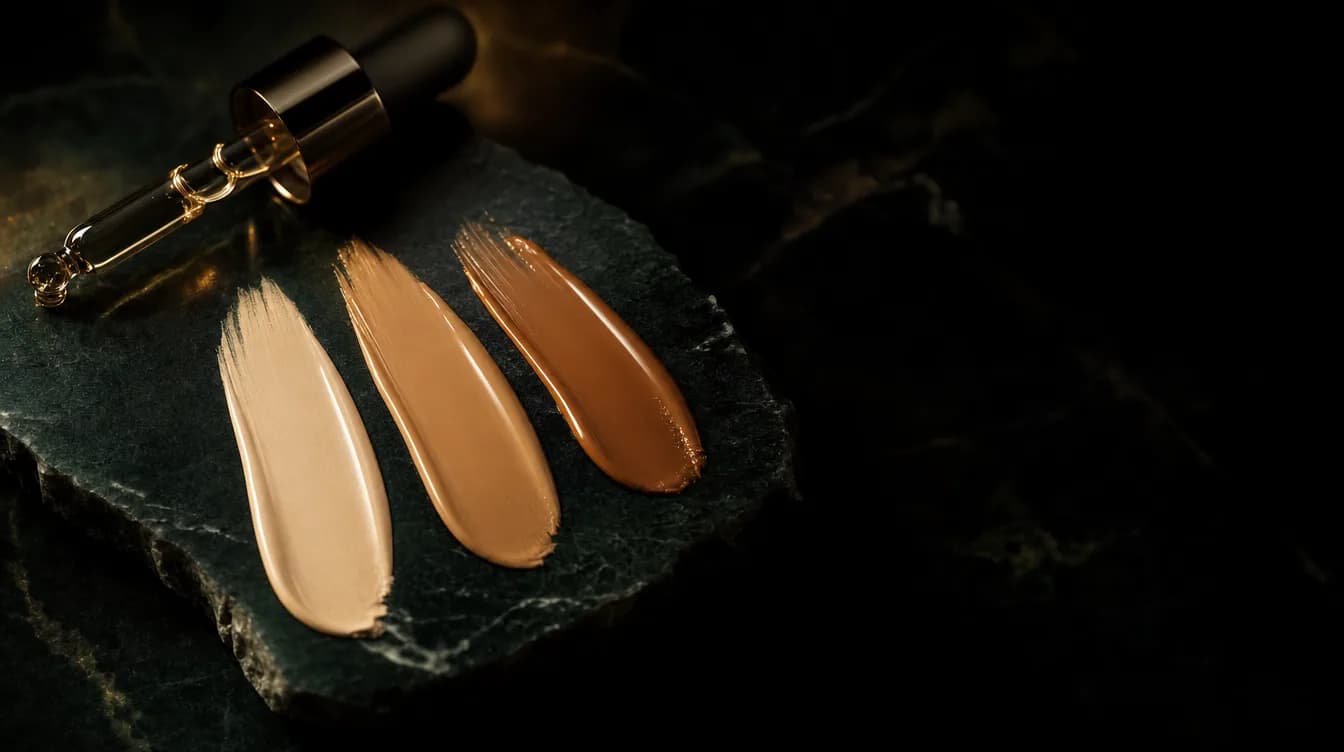
The suede skin makeup trend is the velvety, finger-blended complexion finish that dominated New York Fashion Week's Fall/Winter 2026 shows, balancing glow and matte instead of chasing either dewy shine or flat powder. Kallmeyer's backstage team built the look with fluid foundation, cream bronzer, and liquid highlighter blended until undetectable, skipping a separate cheek-color step entirely. A MissBiotics kit built around 4 to 5 products, led by our demi-matte foundation, recreates the effect at home in about ten minutes.
Suede Skin Makeup Trend: NYFW Fall/Winter 2026's Velvety New Finish
Suede skin makeup trend is the defining complexion finish from New York Fashion Week's Fall/Winter 2026 shows. At Kallmeyer, the backstage team built what the brand called a restricted glow. In fact, it is a velvety balance between shine and softness. Instead of the high-shine glass-skin era, or a flat powder matte, models walked with skin that looked touchable. For instance, cheekbones caught light without looking wet. Meanwhile, foreheads stayed soft without looking chalky. That middle ground, neither shimmering nor flat, is the entire point of the look. Notably, no single product creates it alone; the finish comes from how products are layered together.
The name comes directly from the texture, not from a formula. For example, suede leather absorbs light instead of bouncing it straight back. Similarly, it feels soft rather than slick under a fingertip. Makeup artists chased that same quality on skin. Consequently, they blended fluid foundation into a cream or liquid bronzer using clean fingers. Additionally, a small amount of liquid highlighter went on top, worked in until it vanished completely. Therefore no single product carries the look; the blending method turns three steps into one finish. Coverage of the shows described it as an effortless, low-effort glow rather than a heavily set, powdered face. That distinction, effort versus effortlessness, matters more than any single product choice.
Notably, several shows paired this finish with a deliberately restrained approach to the cheeks. Warm cream bronzer stood in for a separate swept-on step. Consequently, that restraint happens to matter for how we stock our own counters. MissBiotics does not carry a dedicated cheek-color line. As a result, this runway detail lines up closely with our shelves. Instead of reaching for an extra cheek product, this look leans on cream bronzer and liquid highlighter blended directly into the base. That is exactly the category our Face edit is built around. In short, our catalog was already suited to this exact restraint, well before the trend had a name.
For example, consider a bride's mother getting ready for an October wedding at our New York counter. She wanted a look that would photograph well without turning shiny by hour six. Therefore we built her base with a demi-matte foundation. Then we blended a small amount of cream bronzer into her cheekbones with a fingertip. We skipped a separate cheek product altogether. Under the reception lighting, her skin read as soft and lit from within, rather than greasy or flat. Importantly, it held through dinner and dancing without a single touch-up. That single case is a useful preview of the technique below.
Defining the Suede Skin Makeup Trend on the Runway
Several fashion outlets reporting from backstage described the effect as skin that looks felted. That word is usually reserved for fabric, not faces. In practice, achieving it takes patience with blending more than a new product category. Moreover, most of the tools involved already exist in a well-stocked Face routine: a fluid foundation, a cream or liquid highlighter, and a soft brush. Meanwhile, the technique itself, not the shopping list, is what shoppers actually need to learn. That said, having the right formula still makes the blending step considerably easier.
Suede Skin vs. Glass Skin, Cloud Skin, and Latte Makeup
Suede skin sits deliberately between two extremes shoppers already know well. Glass skin chases a wet, mirror-bright shine across the entire face. Meanwhile, the cloud skin makeup trend favors a soft, semi-matte T-zone with almost no shine. This look instead keeps a low, even sheen everywhere. Additionally, it reserves brighter highlight for cheekbones and the bridge of the nose. Consequently, it reads as touchable rather than either slick or powdery. That single trait is why editors kept comparing it to fabric all season.
The comparison to latte makeup is also useful. Both favor warm, blended tones over sharp contour lines. However, latte makeup leans on warm bronzer shades applied broadly across the face. Instead, this trend is really about texture and finish, not color temperature. In other words, you could build the same velvety finish in a cool-toned base. A warm base works just as easily, provided the blending stays soft.
Similarly, both cloud skin and this look reject heavy, full-coverage foundation. Each favors a lighter build instead. The key difference is the finishing touch. For example, cloud skin sets the T-zone with translucent powder for a soft-matte effect. Suede skin skips heavy powder there. Instead, it blends bronzer and highlighter until the line between base and glow product disappears. That single distinction, powder-set matte versus finger-blended cream, is what separates the two finishes on camera.
For instance, our counter staff can usually tell within about 30 seconds which finish a client is chasing, just from how they describe the shine they want. Someone asking for no shine at all usually wants cloud skin. Someone asking for glow, but not greasy, usually wants suede skin. Therefore that quick read matters, because the product order genuinely differs between the two looks. Getting the order right the first time saves a return trip to the counter.
How to Build the Suede Skin Makeup Trend, Step by Step
Building this finish takes four steps and a few extra minutes of blending with clean fingers. Unlike a full-glam routine, precision matters less here than patience. Instead, work in thin layers, and check your progress in daylight whenever possible. A well-primed base helps the blending go faster. For instance, our face primer guide explains when that extra step is worth it.
In practice, most of the actual time goes into the last step: blending highlighter until it disappears. Rushing this step is the single most common reason a look reads as obvious product rather than skin. Therefore, budget an extra minute for that final blend, even on a rushed morning. Ultimately, the technique rewards a slow hand far more than an expensive product.
- Start with a fluid, second-skin base. The Liquid Foundation Demi Matte Finish Full Coverage is the closest match in our catalog to the runway's glow-and-matte balance; buff it in with a Foundation Brush before switching to fingers for the final blend.
- Prefer a lighter everyday base? The S.he Flawless Stay Foundation blends just as easily by hand for a quicker version of the look.
- Spot-correct with a two-in-one formula. The SMOOTH® Crème Concealer & Foundation Duo handles concealer and extra coverage in one cream product, ideal for blending into the finish without adding a separate powder layer.
- Warm the cheekbones instead of reaching for cheek color. Blend Nabi Pro Glow Liquid Highlighter - Beige into the high points with a fingertip until it disappears into skin, echoing the restrained styling seen backstage at Kallmeyer.
- Set only where needed. A light dusting of Pro Deluxe Translucent Powder on the T-zone keeps shine controlled without flattening the rest of the face; the Velvet Mineral Powderset works well for a slightly fuller mineral finish.
- Finish with dimension, not shimmer. Press Nabi Dream Touch Highlighting Powder - Rose onto the cheekbones over cream products for a soft-focus lift that photographs as glow rather than glitter.
Choosing Products for Your Skin Type
Skin type changes how this finish should be built, even though the core steps stay the same. Oilier skin generally needs a firmer T-zone powder step. Meanwhile, drier skin needs a richer base layer first. The breakdown below covers both ends of that spectrum.
Oily and Combination Skin
Oilier skin can wear this look successfully, though it needs a slightly firmer hand with powder than the original runway version. Reach for the Liquid Foundation Demi Matte Finish as your base. Its finish already balances glow and matte without extra effort. Instead, press a light layer of translucent powder into the T-zone only. Then blend cream highlighter into the cheekbones as the last step. This order keeps shine controlled through the day. Importantly, it still preserves the soft, felted quality that defines the trend.
Dry and Normal Skin
Drier skin tends to need a richer base layer first, since the whole effect depends on smooth, hydrated texture underneath. For instance, spend an extra minute working moisturizer in before foundation. Then reach for the SMOOTH® Crème Concealer & Foundation Duo for a creamier feel that blends without clinging to dry patches. Skip powder almost entirely if skin runs dry. Instead, let the cream highlighter do more of the work. According to the Mayo Clinic, a healthy skin barrier is the foundation of any complexion look. Notably, dry skin in particular benefits from gentle, fragrance-conscious products underneath makeup.
Common Mistakes to Avoid With This Finish
A handful of habits separate a convincing suede finish from a look that reads as too shiny or too flat. Most come down to blending speed and product order, not the products themselves. Notably, the same five mistakes come up again and again at our counters.
One honest limitation is worth stating plainly. This makeup will not fully disguise significant texture, deep redness, or active breakouts. No amount of finger-blending changes that. Moreover, it also is not the right choice for anyone who wants a strong, defined cheek color or a high-shine, glass-skin finish. The whole technique is built around restraint. That said, if your skin needs more targeted coverage, pair a color-correcting step underneath. Do not expect this look to do that work alone.
- Setting the whole face with powder. This flattens the look completely; keep powder to the T-zone only.
- Applying highlighter with a brush instead of a fingertip. Body heat from fingers melts cream and liquid formulas into skin, which creates the felted, undetectable edge.
- Skipping the blend-out step. A visibly placed dot of bronzer or highlighter reads as obvious product rather than skin, so always work it outward until it disappears.
- Choosing a full-coverage, cakey foundation. A heavier formula fights the entire point of this look, since it depends on a fluid, second-skin base.
- Forgetting daily sun protection. Dermatologists consistently recommend protecting skin from UV exposure under any makeup look, and this routine is no exception.
How MissBiotics Can Help You Master This Season's Suede Skin Look
Our Face edit is built for exactly this kind of layered, blended finish. Browse the full Face category to compare every foundation, bronzer, and highlighter mentioned above in one place. Additionally, lean on the Liquid Foundation Demi Matte Finish if you only try one product from this guide. Its balance of glow and matte is the closest match we carry to the runway effect.
At our New York and London counters, we hear a version of the same question daily this season: how do I get that soft, lit-from-within look without turning greasy by afternoon? We always start by checking whether a client wants a warmer or cooler cream bronzer. Then we build the base in thin layers rather than one heavy pass. For instance, deciding between a cream and a powder finish for your highlighter matters here too. Our cream vs. powder highlighter comparison breaks down which suits this look best.
Because MissBiotics does not carry a dedicated cheek-color line, the trend's own restrained cheek styling happens to suit our shelves particularly well. Instead of a separate product, we simply extend the same cream bronzer or liquid highlighter already on your fingertips. Furthermore, for a broader hydration foundation underneath any complexion look, browse our rituals for the daily habits that keep skin smooth enough to blend well.
If you would rather have a specialist match products to your exact skin type, book a consultation and we will build the kit around you instead of the runway photo. Ultimately, the goal is a base that still looks like your own skin under any light, not a mask borrowed from a show.
Conclusion: Try the Suede Skin Makeup Trend This Week
The suede skin makeup trend is a velvety, finger-blended finish that splits the difference between high shine and flat matte. It took over New York Fashion Week's Fall/Winter 2026 shows because it looks effortless while still photographing well. Start with a demi-matte foundation. Add cream bronzer and highlighter with clean fingers. Then set only where you need to. Visit our Face shop to build a starter kit, or book a consultation if you want a routine matched to your exact skin type.
Like most runway beauty ideas, this one rewards a light, patient hand far more than it rewards more product. Practice the finger-blending technique on a quiet evening before trying it for a big event. Additionally, adjust the balance of glow and matte as your skin changes with the seasons. Ultimately, that small habit is really the whole trend, distilled into one sentence.
Questions, answered
What is the suede skin makeup trend?+
The suede skin makeup trend is a velvety complexion finish that balances glow and matte, built by blending fluid foundation with cream bronzer and highlighter using clean fingers. It emerged from New York Fashion Week's Fall/Winter 2026 shows, notably Kallmeyer's restricted-glow look. Unlike glass skin or flat matte, it looks soft and touchable rather than wet or powdery.
How is suede skin different from glass skin?+
Suede skin trades all-over wet shine for a soft, low sheen with brighter highlight only at the cheekbones and nose bridge. Glass skin relies on hydrating essences and heavy highlighter across the whole face. This look instead uses finger-blended cream products for a felted, light-diffusing texture rather than a mirror-like glow.
Do I need a separate cheek product for this look?+
No, the trend intentionally skips a separate cheek-color step in favor of cream bronzer and liquid highlighter blended into the base. This restrained styling was part of the look backstage at Kallmeyer's Fall/Winter 2026 show. MissBiotics does not stock a dedicated cheek-color line, so this detail suits our Face edit closely.
What foundation works best for this finish?+
A fluid, demi-matte foundation works best because it already balances glow and matte in one formula. Our Liquid Foundation Demi Matte Finish Full Coverage is the closest catalog match to the runway effect. Blend it with a brush first, then finish with clean fingers for a soft, undetectable edge.
Can oily skin wear the suede skin makeup trend?+
Yes, oily skin can wear the suede skin makeup trend with a slightly firmer T-zone powder step than the original runway version. A demi-matte base controls shine while still allowing a soft glow at the cheekbones. Setting only the T-zone, rather than the whole face, keeps the felted texture intact through the day.
How long does this finish typically last?+
A well-blended finish typically holds for several hours before needing a light touch-up, based on our counter testing this season. Cream and liquid formulas move more than powder, so a small amount of translucent powder on the T-zone extends wear time. Humid weather or an oily skin type may shorten that window.
Will this makeup hide texture or redness?+
This makeup softens the appearance of minor unevenness but will not fully disguise significant texture, redness, or active breakouts. The technique is built around light, blended layers rather than heavy coverage. For more targeted coverage needs, pair a color-correcting step underneath rather than relying on this look alone.
Sources & further reading
- Mayo Clinic — 5 tips for healthy skin (skin barrier basics)
- AAD — How to pick the right moisturizer for your skin
- AAD — A dermatologist's guide to skincare from growing up to glowing up
- PubMed — Sebum, cosmetics, and skin care
- PubMed — Cosmetics and their role in modulating skin microbiome health: a narrative review