Wearing Mascara Every Day: Is It Actually Safe?
October 30, 2026 · 8 min read
Written by the MissBiotics Beauty Team — probiotic-inspired beauty specialists.
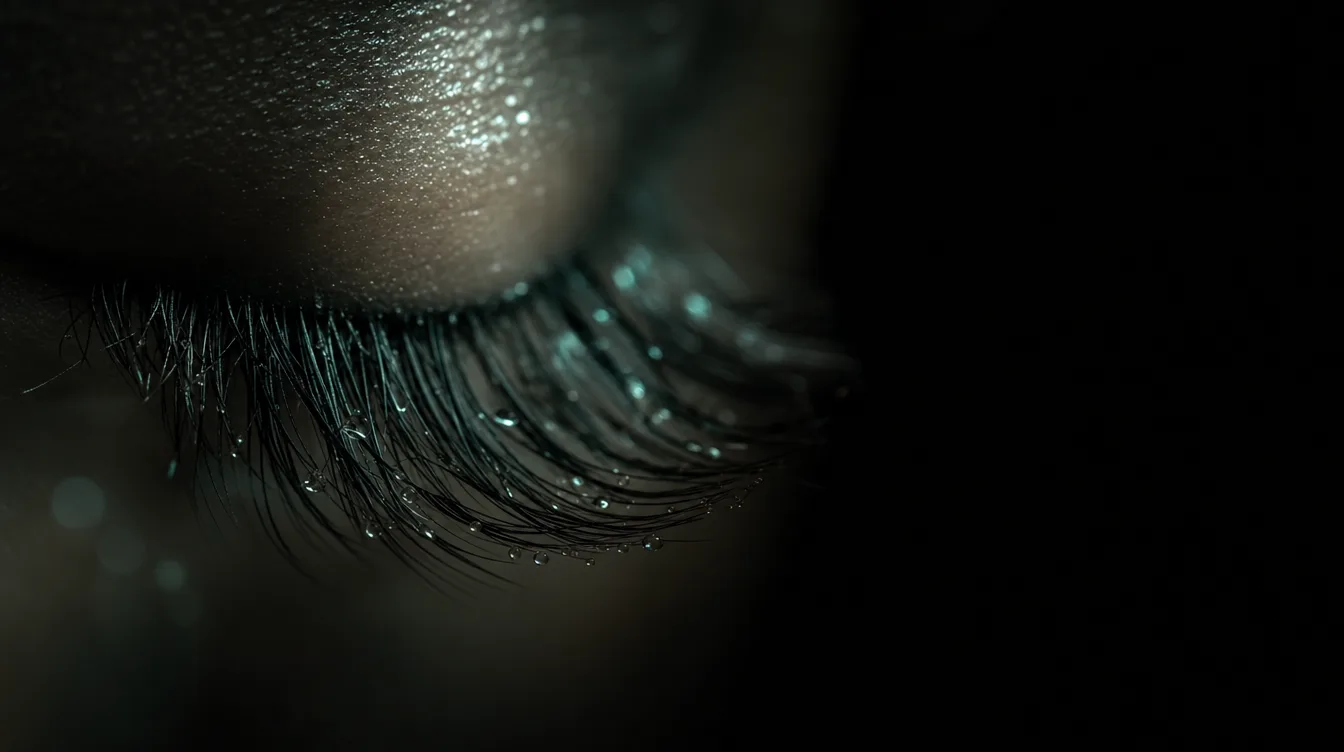
Wearing mascara every day is common, but eye-health guidance ties the habit's real risk to hygiene and timing rather than frequency alone.
The short answer
Wearing mascara every day isn't inherently unsafe, according to FDA eye cosmetic safety guidance. However, risk rises sharply with poor hygiene, like sharing tubes or keeping one past the roughly 3-month mark the FDA's shelf-life guidance recommends. Washing hands before application, never adding water or saliva to the formula, and replacing tubes on schedule keep daily wear genuinely low-risk.
Wearing Mascara Every Day: What the Evidence Actually Shows
Wearing mascara every day is one of the most common beauty habits there is. Yet it still prompts a steady stream of worried searches about eye safety. The FDA's own eye cosmetic safety guidance offers a reassuring but conditional answer. Eye cosmetics can be used daily, but they can also become contaminated during normal use. Importantly, that contamination risk is what actually drives most mascara-related eye problems. In other words, frequency alone isn't the issue. Hygiene and timing are.
That distinction matters because it shifts the real question. It moves away from 'should I stop wearing mascara daily' and toward 'am I using and storing it safely.' For instance, someone who applies a fresh, well-stored tube every morning sits in a very different risk category than someone reusing a six-month-old tube left in a hot car. Therefore, the habit itself isn't the hazard. The condition of the product is.
Why Wearing Mascara Every Day Raises Questions in the First Place
The wand-and-tube design that makes mascara so easy to apply is also exactly what makes it more prone to contamination than most other cosmetics. For instance, each application pumps air into the tube. In fact, that same motion also gives bacteria already on the wand or your lash line a chance to migrate back inside. Daily use means that cycle repeats roughly 30 times a month. Consequently, that is far more often than an eyeshadow palette or lipstick is ever opened and closed in the same stretch of time.
How Mascara Becomes a Real Infection Risk
Mayo Clinic's guidance on blepharitis, a common eyelid inflammation, notes that it often involves crusting at the lash line. It can also be aggravated by cosmetic buildup along the eyelid margin. Bacteria that accumulate inside a mascara tube over weeks of daily reuse can contribute to exactly that kind of irritation. This is especially true if the wand touches the lash line repeatedly without the tube ever being replaced.
Pink eye, or conjunctivitis, is another condition worth understanding here. The NHS describes it as redness and watering of the eyes, usually caused by infection or allergy. Notably, it typically improves within about two weeks without treatment. However, that two-week recovery window is still a genuinely unpleasant stretch to live through for the sake of stretching a mascara tube a few extra weeks past its prime.
Habits That Make Wearing Mascara Every Day Lower-Risk
A short list of habits accounts for most of the difference between safe daily wear and genuine risk. First, wash your hands before applying any eye makeup, since bacteria transfer easily from fingers to the wand and then straight into the tube. Second, never add water, saliva, or eye drops to thicken an old formula. The FDA's shelf-life guidance specifically warns against this, since it introduces new contamination into a product that's already aging.
Third, avoid sharing mascara entirely, even with close friends or family. Sharing introduces an entirely separate set of bacteria with no way to track its source. Fourth, pump the wand gently rather than repeatedly plunging it in and out of the tube. Vigorous pumping pushes more air inside and dries the formula out faster, which shortens its genuinely safe window. None of these habits require giving up daily wear. In practice, they just make daily wear meaningfully safer.
At our New York and London counters, this is one of the most common questions we hear. It usually comes from someone who's read conflicting advice online and isn't sure what to actually change. The honest, consistent answer across FDA and eye-health guidance is that the product's age and handling matter far more than how many days in a row someone wears it.
Does Daily Mascara Wear Affect Contact Lens Wearers Differently?
Contact lens wearers face a slightly different version of this question. Notably, lenses sit directly on the eye's surface, which means any flake or fiber from mascara has a shorter path to actual irritation than it would for someone without lenses. Consequently, eye-care guidance generally recommends applying mascara after inserting lenses, not before, since inserting a lens over mascara-coated lashes raises the odds of transferring product onto the lens itself.
Additionally, fiber-based 'tubing' mascaras, designed to build length with tiny fibers, deserve extra caution for this same reason. Those fibers can flake more than cream formulas do, and a stray fiber migrating under a lens is considerably more uncomfortable than the same fiber landing on bare skin. Instead, a standard cream formula is often the simpler, lower-maintenance daily choice for anyone who already wears contacts. Notably, this isn't a universal rule; some contact lens wearers use tubing formulas without issue for years.
Removal order matters just as much as application order. Take out contact lenses before removing eye makeup, not after, since rubbing or pressing on the eye area to wipe away mascara while a lens is still in place can dislodge or fold the lens uncomfortably. This is a small sequencing change, but it meaningfully lowers daily irritation for anyone balancing both habits at once. Importantly, the same order applies in the morning and at night alike, so it's worth turning into a fixed habit rather than an occasional afterthought.
When to Replace Mascara, Regardless of How Often You Wear It
The FDA's cosmetics shelf-life guidance points to roughly 3 months after opening as a reasonable replacement window for mascara specifically. That is shorter than almost any other cosmetic in a typical makeup bag. That window shrinks further with daily use, warm bathroom storage, or any dipping-and-reapplying habit within a single sitting, since each of those speeds up the same bacterial growth the guidance is designed to prevent.
A simple trick helps here. Write the opening date directly on the tube with a fine marker the day you first use it. Relying on memory alone tends to stretch a tube's actual lifespan well past 3 months without anyone noticing. In fact, a tube can still look and apply fine for weeks after it has quietly crossed into higher-risk territory.
Additionally, keeping mascara away from heat sources extends that safe window somewhat, while a bathroom windowsill or a car's glovebox shortens it. Meanwhile, buying a second, smaller travel-size tube for gym bags or overnight trips avoids the common habit of leaving one tube exposed to temperature swings in multiple locations at once. Notably, that single habit alone prevents a surprising share of the early spoilage people blame on 'bad luck' with a particular formula.
Signs Your Daily Mascara Routine Needs a Change
A few warning signs mean it's time to stop and reassess, regardless of the calendar. Any new itching, redness, or crusting along the lash line after applying mascara is the clearest signal. It warrants discontinuing the product immediately rather than waiting to see if it resolves on its own. Similarly, a tube that smells different than it did when new, or one with a stringy, separated texture, has likely already crossed into unsafe territory.
Persistent irritation that doesn't clear up within a few days after stopping mascara altogether is a reason to see a doctor. Continuing to experiment with different products instead rarely helps. This is especially true for anyone with a known eye condition, since compromised eyelid skin or an existing inflammation like blepharitis makes new contamination considerably more consequential.
Ultimately, most people never need to reach this point at all. Importantly, the habits above, clean hands, no shared tubes, and a tracked replacement date, prevent the vast majority of mascara-related irritation before it ever starts.
Age also plays a role worth mentioning honestly. For instance, eyelid skin thins gradually over time, and some eye-health guidance notes that sensitivity to cosmetic ingredients can shift as a result. Similarly, anyone starting a new mascara formula, even a well-reviewed one, benefits from a brief patch test along the lower lash line before applying it to both eyes fully. In short, a small amount of caution with any new product costs very little and prevents most surprises.
Does Waterproof Mascara Change the Daily-Wear Equation?
Waterproof formulas raise a separate question worth addressing directly. Many waterproof mascaras rely on different, more water-resistant film-forming ingredients than standard formulas. Consequently, they typically require an oil-based remover rather than a quick rinse with water. That matters because incomplete removal, not the waterproof formula itself, is usually what causes problems. Flecks of waterproof mascara left behind overnight can work their way further into the lash line than a standard formula would, simply because it wasn't designed to rinse away easily in the first place.
Therefore, anyone wearing waterproof mascara daily should pair it with a dedicated eye makeup remover rather than relying on a cleanser or micellar water alone. Similarly, a cotton pad held gently against closed lashes for several seconds, rather than rubbed back and forth immediately, gives the oil-based formula time to break down the waterproof film before any wiping starts. In practice, this one habit change prevents most of the residue buildup that waterproof wear can otherwise cause.
That said, waterproof mascara isn't inherently riskier than a standard formula when it comes to contamination. The same 3-month replacement window, the same hand-washing habit, and the same no-sharing rule all still apply equally. In other words, the formula type changes how you remove it, not how carefully you need to treat the tube itself.
How MissBiotics Can Help
Replacing mascara on schedule is far easier when a fresh tube is genuinely affordable. MissBiotics stocks the full Super Lash range at $4.99 each, including the Super Lash Black Mascara ($4.99) for everyday wear and the Super Lash Clear Mascara ($4.99) for a lighter, low-commitment option some days.
If you want a conditioning ingredient built into your daily formula, the Super Lash Mascara- Jojoba ($4.99) and Super Lash Mascara- Sabila ($4.99) both pair color with added lash care. Pair either with the Nabi Waterproof Makeup Remover ($6.99) for thorough nightly removal, since leftover mascara buildup is exactly the kind of residue that raises irritation risk over time.
Browse the full range under Lashes, or read our why does mascara clump guide for formula troubleshooting that goes beyond replacement timing alone.
Conclusion
Wearing mascara every day is a safe, ordinary habit for most people, as long as the product itself is fresh and handled hygienically. Wash your hands before applying. Skip the water-and-saliva tricks. Avoid sharing, and replace each tube around the 3-month mark rather than waiting for visible problems. Follow those habits consistently, and daily mascara wear stays exactly what it should be: a quick, low-risk part of a morning routine rather than something to worry about.
Questions, answered
Is wearing mascara every day bad for your eyes?+
Not inherently. FDA eye cosmetic safety guidance treats daily wear as generally safe, with contamination risk from poor hygiene or an expired tube being the real concern rather than frequency itself.
How often should you replace mascara if you wear it daily?+
The FDA's shelf-life guidance suggests roughly 3 months after opening as a reasonable window, and daily use combined with warm storage can shorten that further.
Can wearing mascara every day cause an eye infection?+
It can contribute to one if the tube is contaminated or kept too long. Conditions like blepharitis and conjunctivitis are linked to cosmetic buildup and bacterial contamination rather than daily wear on its own.
Does sharing mascara increase the risk of daily wear?+
Yes. Sharing a tube introduces a separate set of bacteria with no way to track its source, which meaningfully raises contamination risk compared to using your own tube alone.
Is it safe to add water to thicken daily-use mascara?+
No. FDA guidance specifically advises against adding water, saliva, or eye drops to mascara, since any added liquid introduces outside contamination into an already-aging formula.
What are the warning signs that daily mascara use has become a problem?+
New itching, redness, or crusting along the lash line after application are the clearest signs. A tube with an altered smell or stringy texture should also be discarded immediately.
Does the type of mascara wand affect how safe daily wear is?+
Wand shape mainly affects how the formula is applied, not contamination risk. Hygiene, tube age, and storage conditions matter far more than the wand style itself.
Should I see a doctor about irritation from daily mascara wear?+
Yes, if irritation persists for more than a few days after you stop using the product entirely, since that points to something beyond simple product contamination that deserves a professional look.
Sources & further reading