Chapped Lips in Winter: Why It Happens and How to Fix It
October 23, 2026 · 9 min read
Written by the MissBiotics Beauty Team — probiotic-inspired beauty specialists.
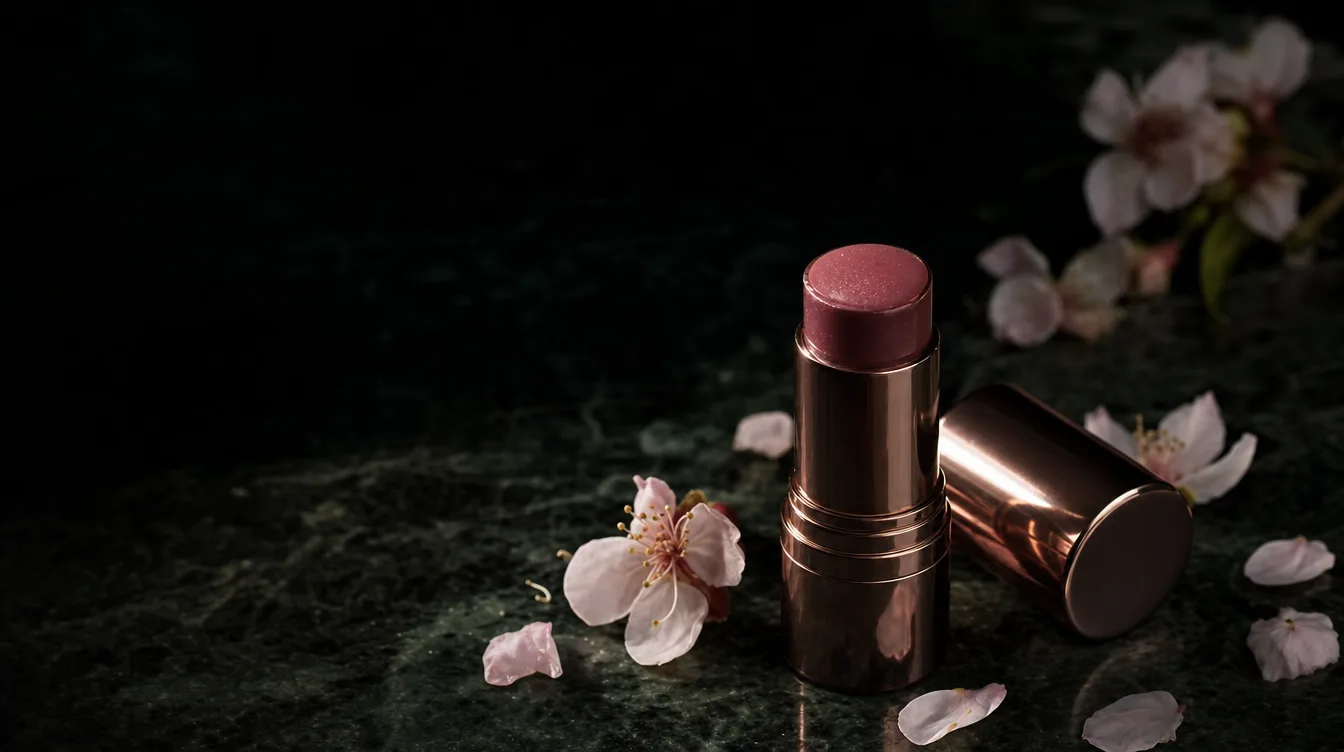
Chapped lips in winter respond fastest to a thick, occlusive balm applied before the skin has a chance to dry out.
The short answer
Chapped lips in winter happen because lips have no oil glands of their own, so they rely entirely on an outside layer of balm or oil to hold moisture in. The NHS recommends a fragrance-free balm with petroleum jelly or beeswax, reapplied at least 2 to 3 times a day, and avoiding lip-licking, which dries lips further within seconds as the saliva evaporates.
Why Chapped Lips in Winter Happen in the First Place
Chapped lips in winter are so common for one specific anatomical reason. Unlike the rest of your face, your lips don't have oil glands. The skin everywhere else on your face constantly produces a thin layer of natural oil that helps lock moisture in, but lip skin has no equivalent system at all.
As a result, lips depend entirely on whatever balm, oil, or gloss you put on top of them. Winter makes this worse through two separate mechanisms at once. Cold outdoor air holds less moisture than warm air, for one, and indoor heating strips humidity out of the air you're breathing all day. In other words, there's rarely a break from the drying effect once the season turns.
Consequently, lips lose moisture to both environments at the same time. That's exactly why chapping often shows up faster and more severely than dry skin anywhere else on the body. In practice, most people notice it on their lips days before they notice it anywhere else. Notably, this timing is a useful early-warning sign worth paying attention to.
Wind adds a third factor on top of cold and low humidity. It speeds up evaporation from any exposed skin, lips included, which is why a short, windy walk can chap lips faster than a much longer stretch indoors. Additionally, central heating and car heaters both recreate the same low-humidity effect indoors that cold outdoor air creates outside. Meanwhile, a long commute in a heated car can be just as drying as time spent outside in the cold.
What Makes Lips More Vulnerable to Chapped Lips in Winter Than the Rest of Your Face
Cleveland Clinic confirms that lips lack oil glands entirely, which is the core reason they dry out faster than the surrounding skin. Furthermore, lips also have thinner outer skin than the rest of the face, so moisture escapes through them more easily even before wind, cold, or indoor heating get involved.
The Habits That Make Chapped Lips Worse Without You Noticing
Licking dry lips feels like it should help, but it's one of the fastest ways to make chapping worse. Saliva evaporates within seconds of leaving your mouth. As it evaporates, it pulls existing moisture out of the lip's surface along with it, leaving lips drier than they were before.
Breathing through your mouth, especially overnight, has a similar drying effect, since it passes dry air directly over the lips for hours at a time. Picking or biting at flaking skin is another common habit worth dropping. Instead of speeding up healing, it slows it down and can break the skin, inviting further irritation on top of the original dryness.
Nasal congestion from a winter cold often makes mouth-breathing worse without anyone noticing the connection. Therefore, treating the congestion, even with something as simple as a saline rinse, can indirectly help chapped lips heal faster during cold and flu season. Similarly, sleeping on your side rather than face-down can reduce how much dry air passes directly over your mouth overnight.
What Actually Works: Occlusive Balms Over Thin Glosses
Not every lip product treats chapped lips the same way. A thin, shiny gloss can feel nice, but it often adds little lasting moisture. A thicker, occlusive balm built on petroleum jelly, beeswax, or a rich plant oil works differently, since it creates a physical barrier that actually slows water loss from the lip's surface.
Our S.he Lip Balms and S.he Fruity Lip Balms are built for exactly this kind of daily, repeated reapplication. For the richer, heavier-duty option, the S.he Lip Gloss Moisturizer - Shea Butter adds a thicker occlusive layer suited to the driest winter days or overnight use. For instance, a thin balm during the day and a thicker one overnight covers both halves of the problem.
In practice, many people benefit from using both formats rather than picking one. A lighter balm works fine during the day under makeup, while the heavier moisturizer makes more sense overnight, when a thicker, slightly greasy feel doesn't matter. Notably, applying the heavier formula right before bed gives it several uninterrupted hours to work.
Building a Winter Lip Care Routine That Actually Prevents Chapping
Prevention works better than treatment once lips are already cracked. Therefore, the goal is reapplying balm before dryness sets in rather than after. A good baseline is applying balm first thing in the morning, before going outside in cold weather, and again right before bed.
That second application matters more than people expect, since hours of mouth-breathing during sleep can undo a full day of care. If your lips flake regularly, a gentle weekly exfoliation also helps, since balm absorbs more evenly once it's not sitting on top of dead, flaking skin.
Our S.he Lip Scrub is formulated specifically for this step. Following it immediately with a rich balm gives the fresher skin underneath a real chance to hold onto moisture, rather than losing it again within the hour. For best results, keep this to once a week rather than daily, since lips need time to rebuild between exfoliation sessions.
In addition, a lip mask or overnight treatment can help on especially harsh weeks, layered on top of a regular balm rather than replacing it. Ultimately, the exact product matters less than the consistency of reapplying it, since winter air keeps pulling moisture out all day regardless of which balm you choose.
Ingredients Worth Looking For (and One Habit to Avoid)
Petroleum jelly, beeswax, shea butter, and plant oils like almond or argan oil are the ingredients that actually slow moisture loss, rather than just adding temporary shine. The NHS specifically recommends balms built on petroleum jelly or beeswax as a first-line option for sore or dry lips.
It also notes that fragrances and dyes in some products can irritate certain people, so switching formulas is worth trying if one balm doesn't seem to help. One habit is worth dropping entirely: repeatedly dipping a finger into a pot-style balm.
That specific habit can transfer bacteria into the product with every use. Consequently, a stick or tube format is generally the safer choice for daily reapplication, especially once lips already have small cracks in them. For instance, a stick applies without ever touching skin to finger, which keeps the whole product cleaner over the weeks it takes to use one up.
Diet, Hydration, and the Habits That Make Winter Chapping Worse
Drinking enough water throughout the day supports skin hydration generally, including the lips, though it's a slower lever than a topical balm. For example, someone who's mildly dehydrated may notice drier lips alongside other signs like fatigue, well before it shows up elsewhere on the skin. Therefore, hydration is worth addressing alongside topical care, not instead of it.
Vitamin deficiencies are sometimes blamed for chronic lip cracking, particularly at the corners of the mouth. However, this is a narrower issue than ordinary winter chapping, and it typically needs a blood test to confirm rather than guesswork. In most cases, ordinary winter chapping has a simpler, environmental explanation instead.
Spicy or acidic foods, along with very hot drinks, can also irritate already-chapped lips further, even though they don't cause the chapping itself. Therefore, it's worth easing off those specific triggers temporarily while lips are actively healing.
Over-exfoliating is one of the most common habits that backfires once lips start flaking. Scrubbing daily, rather than weekly, strips away skin that hasn't fully healed yet. In fact, daily exfoliation on already-cracked skin can make bleeding more likely, not less.
Switching balms every few days without finishing a full product is another common misstep, since most balm ingredients need a few consistent days of use to show their full effect. Similarly, applying balm only once a day and expecting it to last through a full day outdoors tends to disappoint. Finally, choosing a balm based on flavor or scent alone, rather than ingredients, is an easy trap worth avoiding. In short, consistency and ingredients matter more than any single application.
When Chapped Lips in Winter Need More Than a Balm
Most winter chapping responds to consistent balm use within a few days. If lips stay cracked, swollen, or painful well beyond that, however, it's worth a second look rather than just reaching for a stronger balm. Cleveland Clinic notes that a more serious form of lip inflammation called cheilitis has several distinct types and causes, especially if the corners of the mouth are splitting specifically.
A humidifier in the bedroom, drinking enough water throughout the day, and covering your lower face with a scarf in genuinely cold or windy weather all address the environmental side of the problem rather than just the symptom. For this reason, combining a good balm with these habits tends to outperform balm alone by a wide margin.
Similarly, switching to a fragrance-free toothpaste can help in stubborn cases, since some toothpaste ingredients are known mild irritants for the thin skin at the corners of the mouth. In short, treat persistent chapping as a signal to look at the whole routine, not just the balm itself. Notably, small environmental changes often fix what balm alone cannot.
This is cosmetic skincare advice only, not a medical treatment. A lip balm soothes and hydrates; it doesn't cure an underlying skin condition. If chapping is severe, won't heal, or comes with persistent pain or bleeding, see a dermatologist or GP rather than relying on balm indefinitely. Importantly, don't ignore symptoms that keep getting worse despite consistent care.
How MissBiotics Can Help
For everyday winter protection, our S.he Lip Balms and S.he Fruity Lip Balms are built for frequent reapplication throughout the day. On the driest days, layer in the richer S.he Lip Gloss Moisturizer - Shea Butter at night, and use the S.he Lip Scrub once a week to clear flaking skin so balm can actually absorb. If you also deal with sticky-feeling gloss once your lips are drier, our guide on why lip gloss feels sticky covers the formula differences. Browse the full range at Shop Lips.
Conclusion
Chapped lips in winter come down to simple biology. Lips have no oil glands of their own, and cold dry air plus indoor heating pull moisture out faster than usual. Habits like licking or mouth-breathing make it worse without most people realizing it.
A consistent, occlusive balm routine, reapplied before dryness sets in rather than after, fixes most cases within days. If cracking or pain persists well beyond that, treat it as a sign to see a dermatologist or GP rather than a sign to switch balms again. See the full Shop Lips range or book a consultation for a personalized winter skincare routine.
Questions, answered
Why do lips get so chapped in winter specifically?+
Lips have no oil glands, so they can't produce their own protective layer. Cold outdoor air and dry indoor heating both pull moisture out faster than usual, and lips chap faster than nearby skin as a result.
Does licking your lips help with chapping?+
No, it makes it worse. Saliva evaporates within seconds, and as it evaporates, it pulls existing moisture out of the lip's surface, leaving lips drier than before you licked them.
What ingredients actually help chapped lips in winter?+
Petroleum jelly, beeswax, shea butter, and plant oils like almond or argan oil are effective. They form an occlusive layer that slows moisture loss, and the NHS specifically recommends balms built on petroleum jelly or beeswax.
How often should you apply lip balm in winter?+
At minimum, apply it first thing in the morning and again before bed. Reapply more often on very cold, windy, or low-humidity days, since hours of mouth-breathing overnight can undo a full day of care.
Should you exfoliate chapped lips?+
A gentle, occasional lip scrub can help once flaking has already started, since it clears dead skin so balm can absorb more evenly. Avoid exfoliating lips that are cracked, bleeding, or actively painful.
Can a humidifier help with chapped lips?+
Yes, indirectly. Indoor heating lowers humidity, which dries out lips alongside the rest of your skin, so a humidifier in the rooms you spend the most time in can reduce how often lips chap.
When should you see a doctor about chapped lips?+
See a dermatologist or GP if chapping is severe or doesn't improve after several days of consistent balm use. This is cosmetic skincare advice only, not a substitute for medical care.
Sources & further reading