Expensive Skin Makeup Trend: Why Less Coverage Costs More
November 3, 2026 · 9 min read
Written by the MissBiotics Beauty Team — probiotic-inspired beauty specialists.
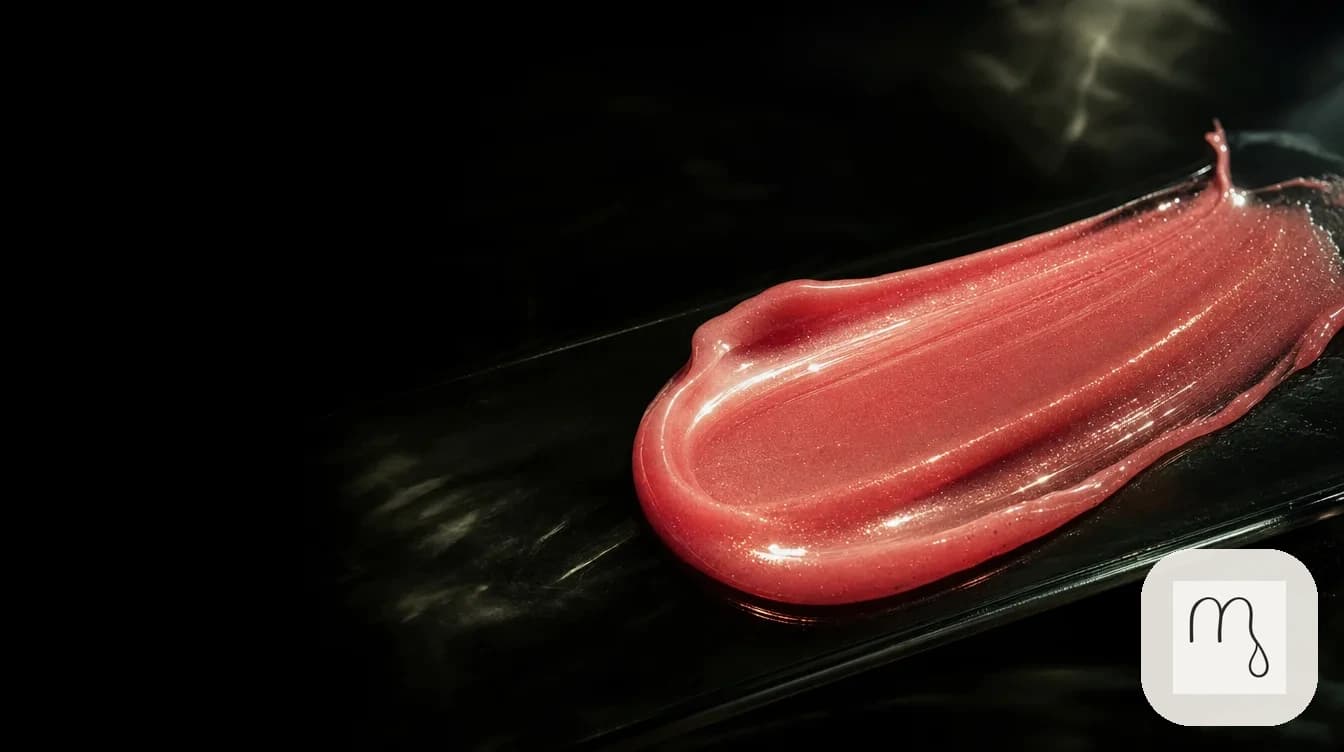
The expensive skin makeup trend favors primer, sheer coverage, and cream highlighter over a full matte base — skin that looks cared for, not covered.
The short answer
The expensive skin makeup trend swaps heavy, full-coverage foundation for primer, sheer coverage, and a cream highlighter that mimics healthy skin instead of masking it. The full routine uses five steps: primer, light or no foundation, concealer, highlighter, and a targeted setting mist. Dermatology sources recommend daily SPF 30 protection as a separate skincare step, since this trend is a makeup finish, not a treatment. At MissBiotics, the core routine costs under $25 using the Smoothing Face Primer ($9.99), Nabi All in One Concealer ($4.99), and Nabi Pro Glow Liquid Highlighter-Champagne ($6.99).
What Is the Expensive Skin Makeup Trend?
The expensive skin makeup trend replaces heavy, full-coverage foundation with primer, light coverage, and strategic glow. It describes skin that simply looks cared for, not painted on. Instead of a flat, matte base, the finish stays slightly luminous, almost reflective across the cheekbones. Importantly, the goal is not going makeup-free. The goal is skin that reads as healthy, hydrated, and evenly toned, with makeup working quietly in the background rather than as the main event.
Coverage becomes optional rather than default in this approach. Moreover, concealer gets used with precision, only where it is actually needed, instead of across the whole face. For example, a thin layer under the eyes and along any redness does more for the finish than a full swipe of foundation ever could. Furthermore, a cream or liquid highlighter now stands in for the multi-product color stacking that defined heavier looks in past years. In short, each product earns its place instead of simply adding another layer.
This is a real departure from the contouring-heavy, baking-and-setting era that dominated the previous decade. That approach sculpted the face with multiple shades of foundation, concealer, and powder stacked in careful layers. Consequently, skin often ended up looking flatter and more uniform, even when the technique itself was done well. Instead, this newer approach treats uneven tone, a visible pore, or a little texture as acceptable, even expected, as long as the overall impression still reads as healthy and well-rested.
The Expensive Skin Makeup Trend's Core Idea
At its center, this trend borrows logic from skincare rather than from traditional makeup artistry. Primer preps the surface first. A light or sheer base evens tone without masking texture underneath. Concealer then handles specific problem spots only. A setting mist locks everything in place without flattening the shine. Consequently, the sequence reads less like applying a full face of makeup and more like finishing a skincare routine with a bit of added color.
Why Expensive Skin Became 2026's Status Symbol
This shift did not appear out of nowhere. In fact, 2026 beauty coverage has repeatedly singled out visibly healthy, glowing skin as a new kind of status marker. Hello! Magazine reported that flawless, well-cared-for skin now signals the same thing that visible logos once did. Similarly, WhoWhatWear's 2026 beauty trend forecast lists soft-focus, light-reflecting skin among the year's defining looks. Meanwhile, Beautyvice frames it directly as the Expensive Skin, or Supermodel Skin, moment following the flatter version of no-makeup makeup.
Notably, the appeal makes sense without needing one dramatic statistic to prove it. Heavy, full-coverage makeup can read as effort, or even as concealment. A lighter, glowing finish instead reads as the result of good skin, good sleep, and a well-kept routine, whether or not that is strictly true. As a result, this look has become aspirational in a quieter way than past contouring-heavy trends. However, that quietness also makes it harder to fake badly, since a dull, under-prepped base shows through far more here than under a full matte mask.
Consider a simple scenario: two coworkers compare routines before an early meeting. One spent twenty minutes layering foundation, concealer, and powder for full coverage. The other spent five minutes on primer, a dab of concealer, and a cream highlighter. In fact, the second complexion reads as fresher and more rested to most observers, precisely because real skin still shows through the glow. That gap, more than any single statistic, explains why this approach keeps gaining ground in 2026.
The Five-Step Routine Behind This Look
This look follows a fairly consistent five-step order: primer, light or no foundation, strategic concealer, cream highlighter, and a targeted setting mist. Each step does one job. Skipping the order, or skipping a step entirely, usually shows up by midday. For instance, applying highlighter before concealer tends to trap extra shine under the eyes rather than on top of it.
Step One: Primer That Preps, Not Masks
Primer sets the stage for everything applied after it. For instance, the Smoothing Face Primer ($9.99) blurs texture lightly without flattening it, which matters since this trend depends on texture staying visible enough to look like real skin. Alternatively, the Line Smoother + Primer with Neodermyl® ($39.00) targets fine lines specifically around the eyes and mouth. For a lavender-toned option that also corrects sallow undertones before any color goes on, the S.he Face Primer - Light Purple ($7.99) is worth trying.
Step Two: Little to No Foundation
Coverage comes next, and less is genuinely more here. Therefore, choosing a sheer or buildable formula, rather than a heavy matte one, protects the whole look from the start. The S.he Flawless Stay Foundation ($7.99) can be applied thin, with a damp sponge, for a tint rather than a mask. That said, the Liquid Foundation Demi Matte Finish Full Coverage ($6.99) still has its place on days skin genuinely needs more coverage; thinning it with a few drops of facial mist keeps it from fighting the rest of the look.
Step Three: Concealer, Used Sparingly
Concealer should go only where it is actually needed, not across the whole face. For example, the AMAZINGCONCEALER ($32.00) offers enough pigment to cover under-eye shadows or redness with a very small amount. Meanwhile, the Nabi All in One Concealer with Brush ($4.99) suits lighter, budget-friendly spot correction. Either way, blending with fingertips rather than a brush tends to melt the product into skin more convincingly. Importantly, patting rather than dragging the product keeps the thin skin under the eye from creasing later in the day.
Step Four: Cream or Liquid Highlighter
Glow is the step that actually sells this entire look. In practice, a liquid or cream highlighter reads far more like real skin than a powder one does. The Nabi Pro Glow Liquid Highlighter-Champagne ($6.99) works well patted onto cheekbones, down the nose bridge, and along the cupid's bow. For a drier finish, or a lighter touch on oilier skin, the Nabi Dream Touch Highlighting Powder - Rose Gold ($5.99) can be dusted sparingly over those same high points instead.
Step Five: Setting, Carefully
Setting is where this trend most often goes wrong. Instead of setting the entire face, press the Pro Deluxe Translucent Powder ($6.99) only onto the T-zone. Similarly, the S.he Matte Setting Spray ($7.99) can control shine specifically across the forehead and nose on humid days, but spraying it over the whole face flattens the glow the rest of the routine just built. In other words, treat both products as spot tools, not finishing-step defaults.
Prepping Skin Before This Routine
Makeup is only half of this approach; skin prep carries the other half. For instance, misting skin before primer helps products settle closer to how they will look hours later, instead of sliding by lunchtime. The S.he Rose Water Facial Spray ($7.99) adds a light layer of hydration primer can grip onto. Alternatively, the S.he Cucumber and Green Tea Facial Spray ($7.99) suits oilier skin that still needs hydration without extra richness.
Furthermore, skin that is already dehydrated will not hold this finish well, no matter how carefully each makeup step is followed. Consequently, treating hydration as a daily habit, rather than a once-before-an-event fix, pays off more here than in heavier, more concealing looks. Additionally, protecting skin from sun exposure matters for its own reasons. The NHS and the American Academy of Dermatology both recommend daily broad-spectrum SPF 30 protection. That is a skincare step, not a makeup one, kept separate from this routine.
Who the Expensive Skin Makeup Trend Works For
Most skin types can wear some version of this trend, though the approach shifts slightly. Dry skin tends to take to it fastest, since hydration and glow already work together naturally. Oily skin can wear it too, but usually needs the T-zone setting step treated as non-negotiable rather than optional. Combination skin typically lands in between: hydrate everywhere, then set only where shine tends to show up by midday. Additionally, deeper skin tones often look best with a warm-toned cream highlighter, since a cooler, overly pale shade can read chalky rather than luminous against richer undertones. Similarly, fair or neutral undertones tend to suit a lighter champagne shade without that same risk.
However, honesty matters here. This trend is a finish, not a treatment. It will not change pore size, clear breakouts, or alter skin's underlying texture. Nor is it a substitute for an actual skincare routine or a dermatologist's advice on a diagnosed skin concern. For anyone rebuilding their base routine from scratch, our skin cycling guide is a more direct next stop than a makeup technique. Similarly, a foundation that keeps separating or turning patchy by midday often points to a technique problem instead. Our cakey foundation guide covers fixes that usually clear the way for this lighter approach to work. For example, mature skin can still wear this look, though blending a touch more slowly around fine lines tends to help the finish settle. Meanwhile, textured or acne-prone skin may prefer a slightly thicker primer layer before the rest of the steps go on.
Expensive Skin vs. Other Dewy Makeup Trends
Several 2026 trends chase a similar glow, which makes them easy to mix up. For instance, our glass skin makeup trend guide covers a K-beauty-rooted look built mainly through skincare, with makeup added almost as an afterthought. Meanwhile, our cloud skin makeup trend guide leans softer and more diffused, closer to a blurred-focus camera filter than a sharp highlight point. By contrast, this trend keeps makeup more deliberate: specific concealer placement, a defined highlighter point, and a sheer base doing real color-correcting work, rather than sitting there purely for texture.
That overlap is not a coincidence. Each trend reacts against the same thing: years of heavy, full-coverage, matte-first makeup. However, the differences matter in practice. Someone chasing true glass skin should prioritize hydration and translucency above almost everything else. Someone chasing this specific look should prioritize precise, minimal correction instead, since the goal is skin that reads as expensive, not skin that reads as filtered. Either way, our cakey foundation guide is worth reading first if heavy coverage has become a habit that feels hard to break.
How MissBiotics Can Help
At our New York and London counters, we hear this request almost daily now: people wanting to look like their own skin, just better rested. For instance, one regular customer at our New York counter had been applying full-coverage foundation every morning out of habit. Her skin no longer actually needed that much product. Switching her to a thin layer of primer, a sheer tint, and a dab of liquid highlighter cut her routine by several minutes. By her own account, it also earned more good skin day compliments than the heavier version ever had.
Build the expensive skin makeup trend starting with the Smoothing Face Primer ($9.99) or the S.he Face Primer - Light Purple ($7.99). Add the S.he Flawless Stay Foundation ($7.99) in a thin layer. Spot-correct with the Nabi All in One Concealer with Brush ($4.99) or the AMAZINGCONCEALER ($32.00), then finish with the Nabi Pro Glow Liquid Highlighter-Champagne ($6.99). Notably, this finish overlaps with our glass skin makeup trend guide, since both looks share a skin-first philosophy with slightly different glow placement. Browse the full range under Face and Skincare, or book a free consultation for a routine matched to your own skin.
Conclusion
The expensive skin makeup trend ultimately asks for less product and more precision. Primer, a thin base, targeted concealer, cream highlighter, and spot-setting replace a full face of heavy coverage. In short, the result looks less like makeup and more like genuinely well-kept skin. Ultimately, it costs far less than the name suggests once the right products do the work. Explore the Face shop for the primers and highlighters covered here, or book a consultation to build a version suited to your own skin.
Questions, answered
What is the expensive skin makeup trend?+
It is a 2026 makeup approach that swaps heavy, full-coverage foundation for primer, sheer coverage, and a cream highlighter that makes skin look naturally healthy. The finish favors light-reflecting glow over a flat matte base, and beauty press has described it as a kind of status symbol for 2026.
How is this different from the glass skin makeup trend?+
Both trends favor hydrated, light-reflecting skin over heavy coverage, but they come from different roots. Our glass skin makeup trend guide started as a K-beauty skincare technique focused on translucency, while this trend leans more on strategic Western makeup steps like concealer and cream highlighter placement.
Do I need to skip foundation entirely?+
No, skipping foundation entirely is not required. Many people still use a thin, sheer layer of foundation or tinted base; the trend simply avoids heavy, full-coverage matte formulas.
What setting powder or spray should I use?+
Use setting products sparingly and only where needed. A light dusting of translucent powder on the T-zone, or a short burst of matte setting spray on oily areas, controls shine without flattening the glow elsewhere.
Will this trend fix my skin texture or acne?+
No, this trend will not fix skin texture, acne, or other skin conditions. It is a makeup finish that can visually soften the look of skin for a few hours, not a treatment, so ongoing skin concerns are still worth discussing with a dermatologist.
Is the expensive skin makeup trend good for oily skin?+
Yes, oily skin can wear this trend well with one adjustment. Treating T-zone setting powder as a required step, rather than optional, keeps the glow from sliding into shine by midday.
Do I still need sunscreen with this makeup routine?+
Yes, sunscreen is still necessary and separate from this makeup routine. The NHS and the American Academy of Dermatology both recommend daily broad-spectrum SPF 30, applied as a skincare step before any makeup goes on.
Sources & further reading