Glass Skin Makeup Trend: How to Get the K-Beauty Glow
October 26, 2026 · 9 min read
Written by the MissBiotics Beauty Team — probiotic-inspired beauty specialists.
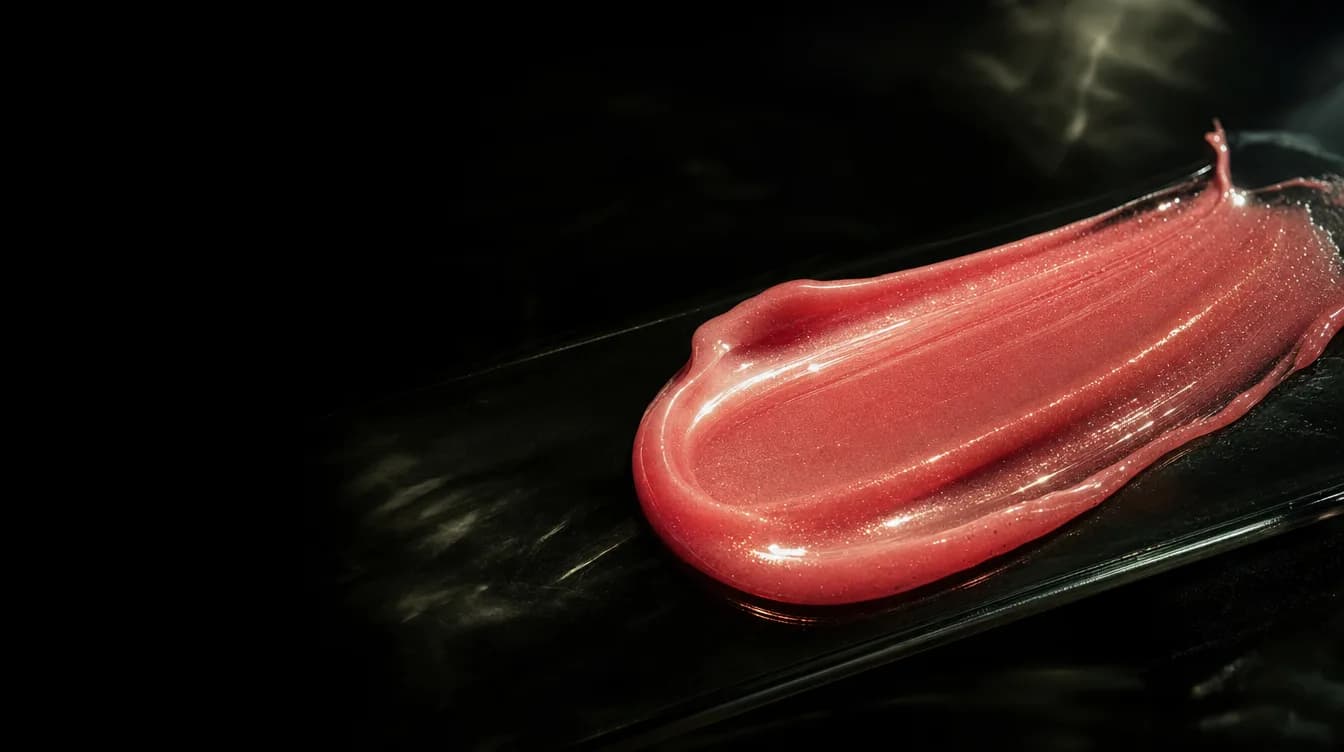
The glass skin makeup trend chases this exact finish — translucent, hydrated, and lit from within, never powdery or matte.
The short answer
The glass skin makeup trend fakes a Korean-beauty, translucent glow using hydrated skin and a liquid highlighter, not a dozen heavy layers. A 2011 study published in Skin Research and Technology found that hydrating skin reduces light scattering at its surface, which is the real optical mechanism behind that lit-from-within look. The actual routine is three steps: hydrate, prime thin, and highlight with a liquid formula instead of powder. Skipping the hydration step is the most common reason the finish falls flat instead of glassy.
The Glass Skin Makeup Trend: What It Actually Is
The glass skin makeup trend chases one very specific finish. It is translucent, hydrated, and reflective skin that looks lit from within, not simply shiny on top of it. Notably, this is not the same as a glossy, wet-look sheen. Instead, it reads as smooth and even, almost poreless, the way light bounces cleanly off a pane of glass.
The look started inside South Korean skincare culture, not inside a makeup kit. There, the emphasis sits on preparing skin itself rather than concealing it afterward. Later, it crossed into Western makeup counters as a specific, nameable technique. In fact, most Western "full glam" routines still layer coverage first and treat glow as an afterthought. Here, the order reverses completely.
The Glass Skin Makeup Trend's Korean Beauty Roots
Korean skincare built its reputation on multi-step hydration rituals long before this specific term went viral on social media. Essences, lightweight serums, and sheet masks all aim at one outcome: skin that holds visible moisture at the surface. Consequently, the makeup side of this look only works once that groundwork already exists. For instance, a heavy, dehydrating foundation applied over dry skin will never produce a convincing result, no matter how expensive the highlighter layered on top of it is.
The Skin-Prep Routine Behind This K-Beauty Look
Skin prep is where this entire approach actually succeeds or fails. According to Harvard Health, moisturizing ingredients fall into two working categories. Humectants pull water into skin, while occlusives seal that water in afterward. Both steps matter here. Skipping either one tends to show up immediately once makeup goes on top.
A simple, reliable sequence starts with a hydrating facial spray applied to clean, slightly damp skin. Next comes a lightweight moisturizer. Then comes a thin layer of hydrating primer. Importantly, each layer should stay thin. Thick layers sit on the surface and can make foundation slide instead of grip, which undercuts the whole look before a single makeup product even goes on.
Timing matters here too, not just the products themselves. For example, applying the hydrating spray, waiting roughly sixty seconds, then pressing in moisturizer while skin is still slightly tacky, helps each layer bind rather than simply sit on top of the one before it. Meanwhile, rushing the whole sequence inside thirty seconds tends to leave visible pilling once primer or foundation goes on top. Therefore, treating skin prep as a short, deliberate ritual, rather than a step to rush through, pays off directly in how the finished look actually wears.
Why Hydration Drives the Glow in This Trend
The science behind this is more concrete than most beauty trends get. A 2011 study in Skin Research and Technology, by Jiang and DeLaCruz, found that moisturizing mainly works by reducing how much light scatters at the surface of the stratum corneum, which is skin's outermost layer. Specifically, dehydrated skin scattered and reflected more light in an uneven way. Hydrated skin, by contrast, let more light travel deeper before bouncing back out. In practice, that difference is exactly what separates a flat, dry-looking complexion from one that genuinely glows. Furthermore, the same study measured rising translucency as skin became more hydrated, which lines up closely with how the "glass" description first got attached to this specific look.
Makeup Products That Build the Look
Once skin prep is handled, product choice decides whether the result reads as luminous or simply shiny. Sheer, buildable coverage beats full-coverage foundation here. Heavier formulas sit on the surface and flatten texture instead of letting light move through it. Similarly, powder should be used sparingly, mainly to control shine in the T-zone rather than applied all over the face.
Liquid highlighter does the most visible work in the glass skin makeup trend. A powder highlighter catches light in a scattered, sparkly way. A liquid formula, however, melts into skin and mimics natural, hydrated radiance far more convincingly. For example, the Nabi Pro Glow Liquid Highlighter in White Pearl ($6.99) can be applied with fingertips over cheekbones, down the nose bridge, and along the cupid's bow, then patted gently rather than swiped for a diffused glow. The Champagne shade ($6.99) reads slightly warmer and suits deeper skin tones particularly well.
Setting This Look Without Killing the Shine
Setting powder and setting spray can both undo the whole effort if used carelessly. Therefore, setting should target only the areas that genuinely need shine control, such as the center of the forehead or alongside the nose. Cheekbones, the bridge of the nose, and the cupid's bow should stay unset, which preserves the exact glow the rest of the routine worked to build. In other words, selective setting, not skipping it altogether, is usually the better call.
Is This Trend Right for Every Skin Type?
Oily skin can absolutely wear this look. However, it usually needs more targeted powder in the T-zone to keep shine from tipping into a greasy appearance rather than a dewy one. Dry skin tends to take to the look most naturally, since the hydration step does double duty as both skincare and makeup prep. Meanwhile, combination skin typically needs a hybrid approach: hydrate everywhere, then reserve powder for the zones that actually get oily.
That said, honesty matters here. This specific finish hydrates and visually smooths skin. It does not minimize pores permanently, treat acne, or alter skin's underlying texture. Anyone managing active breakouts, rosacea, or another diagnosed skin condition should still see a dermatologist for that concern specifically, rather than expecting a makeup technique to resolve it on its own.
Building Toward Glass Skin Over Several Weeks
Makeup can fake the look in minutes, but skin's baseline hydration takes longer to shift. Therefore, pairing the makeup routine with a consistent daily skincare habit, not just a one-time mist before an event, tends to produce a more reliable result over time. For example, a hydrating facial spray used both morning and evening, not only right before makeup, gradually improves how skin holds moisture overall. Meanwhile, patience matters just as much as product choice, since visible improvement in skin's baseline texture typically builds over several weeks rather than overnight. Ultimately, treating the makeup technique as the finishing touch, not the entire strategy, is what separates a one-off good photo from a genuinely improved everyday complexion.
Common Mistakes That Flatten the Glass Skin Look
Most failed attempts trace back to one of a handful of repeat mistakes. Furthermore, these mistakes compound each other, so fixing just one often fixes the entire look. Additionally, none of them require expensive products to correct, mostly just a change in order or amount.
The first mistake is rushing skin prep, applying a serum and moving straight to foundation within seconds. Consequently, nothing has time to absorb before makeup seals over it. Instead, give each hydrating layer at least a minute to settle before adding the next one. Similarly, applying too much product at once backfires, since excess serum or primer tends to pill under foundation rather than sinking in.
The second mistake is reaching for a full-coverage foundation out of habit. However, heavier formulas sit on top of skin and block the exact light transmission this trend depends on. For example, switching to a tinted serum or a sheer BB-style base instantly changes the outcome, even with identical skin prep underneath it. Moreover, applying foundation with a damp sponge, rather than a dry brush, helps it melt into skin instead of sitting on the surface.
The third mistake is over-setting. Notably, a full face of setting powder is the single fastest way to undo this entire look. In short, powder belongs only where shine control is genuinely needed, not everywhere light would naturally want to bounce.
A fourth, less obvious mistake is skipping touch-ups entirely. In practice, skin loses a small amount of surface hydration over several hours, especially indoors with heating or air conditioning running. As a result, a light re-mist with a hydrating facial spray around midday, followed by a dab of liquid highlighter wherever it has faded, restores the look far faster than starting the whole routine over from scratch. Additionally, keeping a travel-size facial spray in a bag makes this touch-up realistic rather than aspirational, since most people will not carry a full skincare shelf with them through a workday.
How MissBiotics Can Help
At our New York and London counters, we walk shoppers through this exact routine most often in late autumn, once indoor heating starts drying skin out and that flat, dull look creeps back in. For instance, one regular customer at our London counter had been reaching for a heavier matte foundation specifically to "fix" dullness, which only made it worse. Switching her to a hydrating spray first, then a sheer base and a liquid highlighter, finally got her the glow she had been trying to fake with more coverage. Importantly, the change took about two weeks of consistent practice before it felt automatic, which is a realistic timeline worth expecting rather than a single flawless first attempt.
Start your own version of the glass skin makeup trend with the S.he Rose Water Facial Spray ($7.99) or the S.he Aloe, Cucumber and Green Tea Facial Spray ($7.99), both of which re-dampen skin before primer. Follow with the Smoothing Face Primer ($9.99) in a thin layer, then build glow with the Nabi Pro Glow Liquid Highlighter ($6.99). Additionally, for tired or puffy under-eyes the morning after a late night, our Hydrogel Eye Patch ($4.99) adds a quick hydration boost before base makeup goes on.
If a fully matte finish suits your style better, our satin skin makeup trend guide covers a related but distinct look. Similarly, our how to apply liquid highlighter piece goes deeper on placement technique. Browse the full range under Face and Skincare, or book a free consultation if you want a routine built around your specific skin.
Conclusion
The glass skin makeup trend is less a makeup technique than a skin-prep technique with makeup layered thinly on top. Hydration does the heavy lifting. A sheer base and liquid highlighter finish the job, and selective setting keeps the glow intact. Ultimately, it is a look built on patience and the right products in the right order, not a single miracle step. Explore the Face shop for the highlighters and primers covered here, or book a consultation to map out a glass-skin routine suited to your own skin type.
Questions, answered
What is the glass skin makeup trend?+
It is a Korean-beauty-originated look focused on translucent, hydrated, light-reflecting skin rather than heavy coverage. It relies on skin prep and a liquid highlighter to create a lit-from-within glow instead of a matte or powdery finish.
Is glass skin the same as dewy skin?+
Not quite. Dewy skin usually describes general glow and shine. Glass skin is more specific: smooth, even, and translucent enough to look almost poreless, closer to the surface of glass than to a general sheen.
What is the first step in getting this look?+
Hydration is the first step, not makeup. A hydrating facial spray applied to clean skin, followed by a lightweight moisturizer, creates the water-rich surface the rest of the routine depends on.
Should I use powder or liquid highlighter?+
Liquid highlighter works better for this specific trend. It melts into skin and mimics natural radiance, while powder highlighter tends to sit on the surface and catch light in a sparkly, less translucent way.
Can oily skin wear the glass skin makeup trend?+
Yes, though oily skin usually needs more targeted powder in the T-zone to keep shine looking dewy rather than greasy. Hydration still matters even for oily skin, since dehydrated oily skin can still look dull.
Does this trend actually change my skin?+
No. It hydrates and visually smooths skin temporarily through makeup and skin prep. It does not minimize pores permanently, treat acne, or change skin's underlying texture or condition.
How do I set this look without losing the glow?+
Set only the areas prone to shine, such as the forehead or beside the nose, and leave cheekbones and the bridge of the nose unset. Setting the entire face with powder usually flattens the glow underneath.
When should I see a dermatologist instead of chasing glow with makeup?+
See a dermatologist if dullness comes with persistent dryness, breakouts, or irritation. Those are skin concerns that a hydrating makeup routine was never designed to treat.
Sources & further reading