Eye Massager for Puffiness: Does the $5.99 Tool Work?
October 10, 2026 · 9 min read
Written by the MissBiotics Beauty Team — probiotic-inspired beauty specialists.
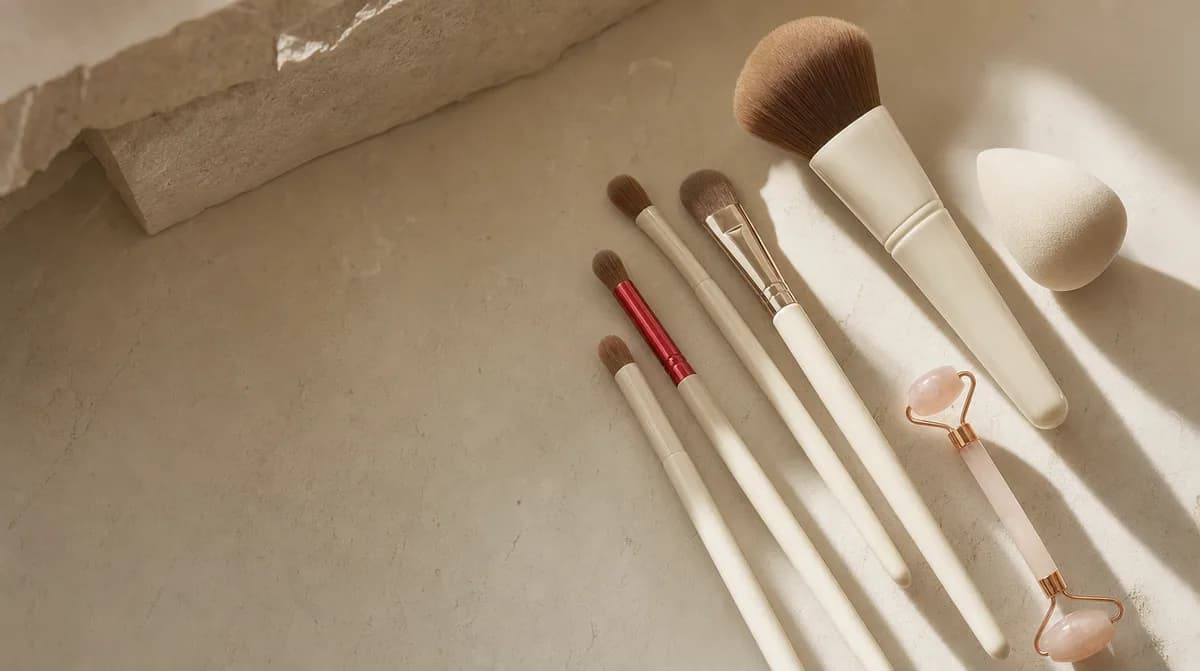
An eye massager for puffiness works through gentle pressure and movement, not through any active ingredient.
The short answer
An eye massager for puffiness works by applying gentle, repeated pressure around the eye to encourage fluid movement, and most people notice a visible difference within 60 to 90 seconds of use, though the effect is temporary rather than permanent. Clinical evidence for cosmetic de-puffing specifically is thin; the strongest research on manual lymphatic techniques covers post-surgical swelling, not everyday morning puffiness. At $5.99, our Celavi Eye Massager is an honest, low-stakes way to test whether the technique works for your own face.
Does an Eye Massager for Puffiness Actually Work?
An eye massager for puffiness is a small handheld tool, usually with a rolling or vibrating tip. It is designed to apply gentle, repeated pressure around the eye. The theory behind it is straightforward: light massage encourages fluid that has pooled overnight to move elsewhere. That movement temporarily reduces the swollen look most people call puffiness. Most users do notice some visible difference within a minute or two of use.
However, that difference is temporary, not a lasting fix. Puffiness returns once fluid accumulates again, typically the next morning or after a salty meal. Therefore, think of the tool as a quick cosmetic reset rather than a treatment that permanently changes the under-eye area.
Additionally, the honest research picture is more limited than many product descriptions suggest. Clinical studies specifically testing handheld massage tools for everyday cosmetic puffiness are scarce. The stronger evidence for manual lymphatic drainage techniques comes from post-surgical and medical swelling contexts, not from cosmetic de-puffing routines done at home each morning.
Notably, the tool itself is simple by design. In fact, it has no battery, no active ingredient, and no setting to adjust. Instead, every bit of the effect comes from the shape of the tip, the coolness of the material, and the motion of your own hand. That simplicity is part of the appeal for anyone wary of more complicated, higher-cost skin tools.
What an Eye Massager for Puffiness Can and Cannot Do
An eye massager for puffiness can temporarily reduce the appearance of morning swelling through gentle pressure and movement. It cannot address the underlying causes of puffiness. Those causes include aging, allergies, genetics, sleep position, and salt intake. In other words, it treats the visible symptom for a few hours, not the reason it happened in the first place. For a longer-term approach, the cause itself, not the symptom, is what actually needs attention.
How to Use an Eye Massager Correctly
Therefore, start with clean skin and, ideally, a chilled tool, since cool temperature adds its own mild de-puffing effect on top of the massage itself. Our Celavi Eye Massager is priced at $5.99. It fits easily in a refrigerator door between uses, which makes this simple step easy to build into a routine.
Glide the tool gently from the inner corner of the eye outward, toward the temple, rather than pressing inward toward the nose. This direction follows the natural drainage pattern most massage guides recommend. Instead of pressing hard, use the lightest pressure that still feels like something is happening, since eyelid skin bruises and irritates far more easily than skin elsewhere on the face.
For instance, 10 to 15 slow passes per eye is typically enough for a visible short-term effect. Repeating the motion for several minutes rarely adds much additional benefit. It also increases the chance of irritating delicate under-eye skin unnecessarily.
Meanwhile, pairing the tool with a hydrating eye cream, rather than using it on bare dry skin, helps the tool glide smoothly instead of tugging. Our Celavi Rose Quartz Facial Roller Set, at $24.99, offers a similar gliding motion across a larger area of the face for anyone who wants to extend the same technique beyond just the eyes.
Morning use tends to produce the most noticeable result, simply because overnight fluid pooling is at its peak right after waking. Using the tool again in the evening is harmless but usually less dramatic, since daytime movement already disperses some of that fluid on its own.
Additionally, a consistent morning routine, rather than occasional use, seems to produce the most reliable results for most people. Two or three mornings a week is enough for most routines, though there is no harm in daily use for anyone who enjoys the quick ritual.
What the Evidence Actually Supports
In fact, the clearest medical evidence for manual lymphatic drainage around the eyes comes from post-surgical recovery, not cosmetic routines. Registered clinical trials studying lymphatic massage for swelling after facial surgery exist specifically because that medical context is where controlled research has focused.
However, that is a different situation from a healthy person reducing ordinary morning puffiness. Properly controlled studies testing a handheld cosmetic tool against everyday under-eye puffiness are still genuinely scarce, so a lot of the marketing around these tools outpaces the actual research behind them.
Consequently, it is honest to describe an eye massager for puffiness as a plausible, low-risk cosmetic tool rather than a clinically proven treatment. Mayo Clinic's own guidance on under-eye bags lists cool compresses as a simple home remedy for appearance, which is the same basic mechanism a chilled massage tool relies on.
Similarly, Cleveland Clinic's guidance on dark circles and puffiness notes that aging, genetics, allergies, and dehydration are the main drivers of the condition, none of which a massage tool can change. That distinction matters: the tool addresses how puffiness looks on a given morning, not why it happens at all.
For instance, a person whose puffiness comes mainly from allergies will likely see less benefit from massage alone than someone whose puffiness is purely fluid-related from a salty dinner the night before. Instead, an antihistamine or allergy treatment addresses that specific cause far more directly than any massage tool could.
In addition, hydration status plays a role worth mentioning. Dehydration can paradoxically worsen the appearance of puffiness and dark circles for some people, since the body retains fluid differently when under-hydrated. Therefore, a glass of water alongside the massage routine is a reasonable, free addition to the same morning habit.
Honest Limitations and Who Should Skip This Tool
To be transparent, an eye massager will not meaningfully help dark circles caused by genetics or thin under-eye skin, since those are about skin tone and structure rather than fluid retention. Nor will it address bags caused by fat pad shifts that come with aging, which a dermatologist would typically treat with a cosmetic procedure rather than a massage tool.
Additionally, anyone with an active eye infection, recent eye surgery, or a skin condition flaring near the eye should skip massage tools entirely until fully healed. The added pressure and movement can aggravate an already irritated area rather than help it.
Importantly, sudden or severe swelling that does not follow the usual overnight pattern is worth mentioning to a doctor rather than massaging away. Mayo Clinic specifically advises seeing a healthcare provider if puffiness comes with vision changes, pain, or a rash, since those can point to an underlying medical cause rather than ordinary fluid retention.
Otherwise, for the common case, simple overnight puffiness from sleep position or a salty dinner, a gentle massage tool is a reasonable, low-cost thing to try. It just should not be marketed, or understood, as anything more than a temporary cosmetic step.
In other words, a massage tool is a cosmetic accessory, similar in spirit to a concealer or a cold spoon from the freezer. It belongs in the same category as other quick, temporary fixes rather than alongside genuine medical or dermatological treatments. Framed that way, it is easier to judge the $5.99 price fairly, against other cosmetic quick-fixes rather than against a clinical treatment it was never meant to compete with.
Who Gets the Most Out of This Tool
In short, this tool suits people whose puffiness is mainly tied to sleep, salt, or ordinary fluid retention rather than a medical cause. For example, someone who notices puffiness mostly after a late, salty dinner is a good candidate for a quick morning reset with a chilled tool.
Equally, it suits anyone who prefers a simple, ingredient-free step over adding another serum or cream to an already long routine. A 60-second massage before makeup is a genuinely low-effort addition compared to most skincare steps. It also travels well, since the tool is small and needs no electricity or charging, which makes it an easy addition to a weekend bag or carry-on.
Conversely, anyone expecting a permanent fix, or hoping it will resolve dark circles caused by genetics or thin skin, is likely to be disappointed. Similarly, anyone with a diagnosed medical cause of swelling should treat that condition directly rather than relying on a cosmetic tool to manage the symptom.
Furthermore, at our New York and London counters, this is one of the more frequent questions from first-time shoppers browsing our tools section. Our honest answer stays consistent: expect a short-term cosmetic improvement, not a cure, and judge the tool on that basis rather than on marketing claims elsewhere.
That said, the low price makes it an easy, low-risk purchase to test for yourself. Unlike a serum or cream that requires weeks of consistent use before any judgment is fair, this tool shows its full effect, or lack of one, within the first try. Additionally, that fast feedback loop is genuinely useful for shoppers who have been burned before by a product that promised results only after months of patient, costly use.
How MissBiotics Can Help
Our Celavi Eye Massager is an affordable way to try this technique for yourself at $5.99. For a larger-area version of the same cooling, gliding approach, the Celavi Rose Quartz Facial Roller Set, at $24.99, extends the same principle to the cheeks, jaw, and forehead.
Together, both tools cost well under $35 before tax, and both store easily in a refrigerator for the added cooling benefit. For more on the broader category of facial massage tools, see our face roller benefits guide, which covers how rollers compare to this smaller, eye-specific tool.
Browse the full range under Tools or Face. For a personalized look at what's actually driving your puffiness, our team offers a free consultation.
Conclusion
An eye massager for puffiness is a genuinely useful, low-cost tool for what it actually is: a temporary, cosmetic way to move fluid and reduce morning swelling for a few hours. Ultimately, it is not a substitute for addressing the real causes of puffiness, whether that is sleep, salt, allergies, or genetics, and it will not help dark circles caused by skin tone or structure.
In short, at $5.99, the honest framing is simple: try it, expect a short-term cosmetic effect, and keep expectations realistic about what gentle pressure around the eye can and cannot change. For most people dealing with ordinary overnight puffiness, that modest, honest result is still worth the price of the tool.
Questions, answered
Does an eye massager really reduce puffiness?+
Yes, most people see a temporary reduction in puffiness within a minute or two of gentle use, since the pressure and movement help pooled fluid redistribute. The effect typically lasts a few hours rather than permanently.
How often should I use an eye massager for puffiness?+
Once in the morning is usually enough for most people, using 10 to 15 slow passes per eye. Using it more frequently than that rarely adds extra benefit and raises the risk of irritating delicate under-eye skin.
Is there scientific proof an eye massager works?+
The strongest evidence for manual lymphatic drainage techniques comes from post-surgical medical swelling, not everyday cosmetic puffiness. Cosmetic use is plausible and low-risk, but it isn't backed by the same level of clinical proof.
Can an eye massager help with dark circles too?+
Not meaningfully. Dark circles are usually caused by genetics, thin skin, or shadows from aging, none of which a massage tool changes. It only affects the swollen, fluid-related part of under-eye appearance.
Should I chill the eye massager before using it?+
Yes, a chilled tool adds its own mild de-puffing effect alongside the massage itself, which is why many people store theirs in the refrigerator between uses.
Who should avoid using an eye massager for puffiness?+
Anyone with an active eye infection, recent eye surgery, or a flaring skin condition near the eye should skip it until fully healed, since added pressure can aggravate an already irritated area.
When should puffiness be checked by a doctor instead?+
Sudden or severe swelling accompanied by vision changes, pain, or a rash should be checked by a healthcare provider, since these can signal a cause beyond ordinary fluid retention.
Sources & further reading